Translatomics for mito-ribosomes, EIF3D, and selenoprotein

Recent Publications Harnessing the Power of Translatomics Every week we provide a digest of a small number of recent interesting papers in the field of translatomics. In this week’s Sunday papers, Schöndorf, T. et al. through ribosome profiling and cryo-EM of mito-ribosomes show that inner mitochondrial membrane insertion acts as a kinetic checkpoint, coordinating protein […]

Translatomics for liver cancer, prostate cancer, and acute myeloid leukaemia

Recent Publications Harnessing the Power of Translatomics Every week we provide a digest of a small number of recent interesting papers in the field of translatomics. In this week’s Sunday papers, Contreras et al. find using polysome-seq that sorafenib causes global suppression of translation and also uses selective translation to treat hepatocellular carcinoma. Cordova et […]

Translatomics for translational control across cell fate and function

Recent Publications Harnessing the Power of Translatomics Every week we provide a digest of a small number of recent interesting papers in the field of translatomics. In this week’s Sunday papers, Boehm et al. combine rapid UPF1 depletion with Ribo-seq to reveal how nonsense-mediated decay shapes the human translation landscape. Jungfleisch et al. use Ribo-seq […]

Translatomics for circRNA, leukemia, and uORF

Recent Publications Harnessing the Power of Translatomics Every week we provide a digest of a small number of recent interesting papers in the field of translatomics. In this week’s Sunday papers, Pan et al. identified a circRNA-derived micropeptide that inhibits goat muscle satellite cell proliferation and differentiation. Ma et al. showed that PSMB10 promotes drug-resistant […]

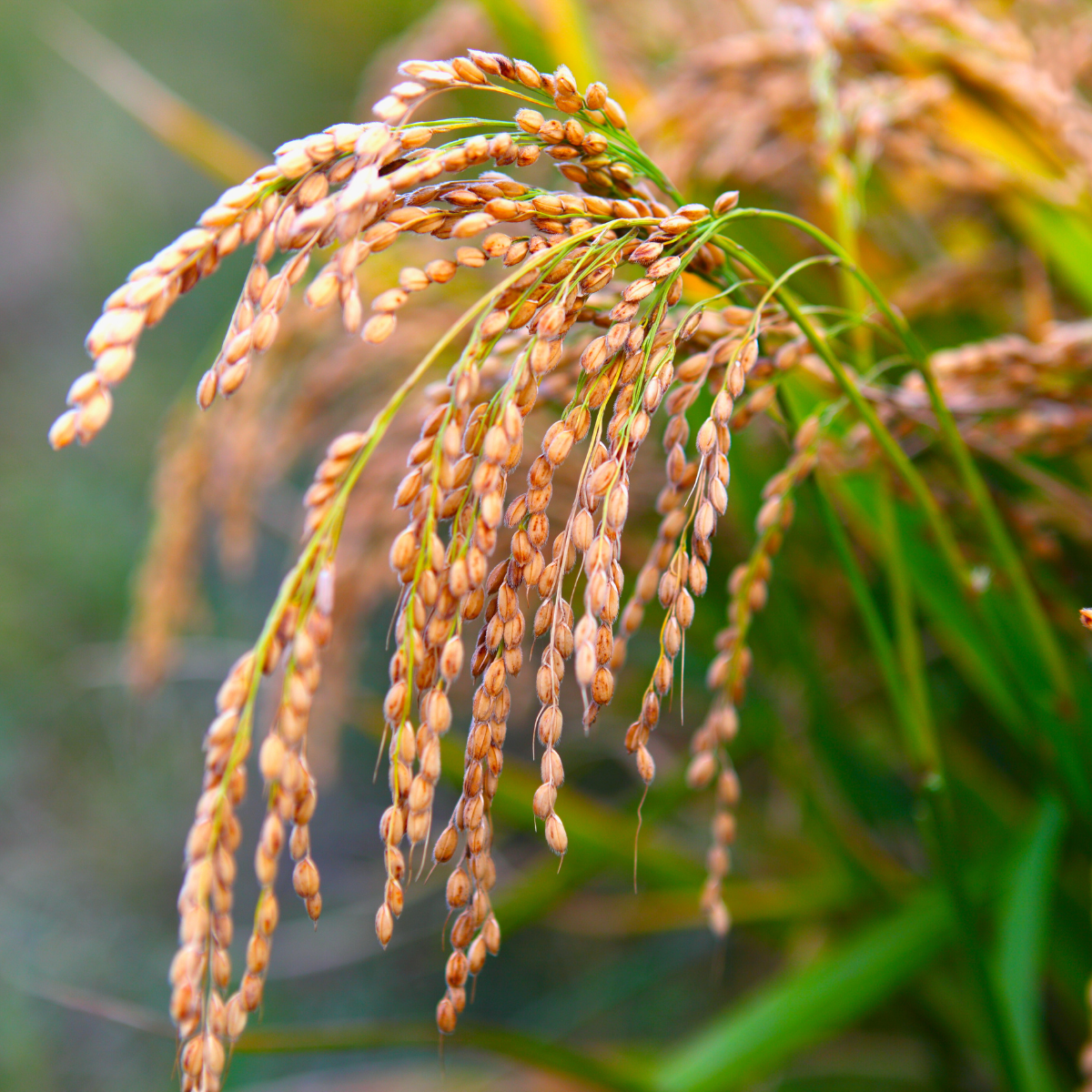
Translatomics for chloroplast, rice, and uORF

Recent Publications Harnessing the Power of Translatomics Every week we provide a digest of a small number of recent interesting papers in the field of translatomics. In this week’s Sunday papers, Hong et al. demonstrated that chloroplast precursor accumulation triggers heat shock-like responses, translational reprogramming, and proteostasis mechanisms. Luo et al. showed that FLR2 phosphorylates […]