Recent Publications Harnessing the Power of Translatomics
Every week we provide a digest of a small number of recent interesting papers in the field of translatomics.
In this week’s Sunday papers,
Pan et al. identified a circRNA-derived micropeptide that inhibits goat muscle satellite cell proliferation and differentiation.
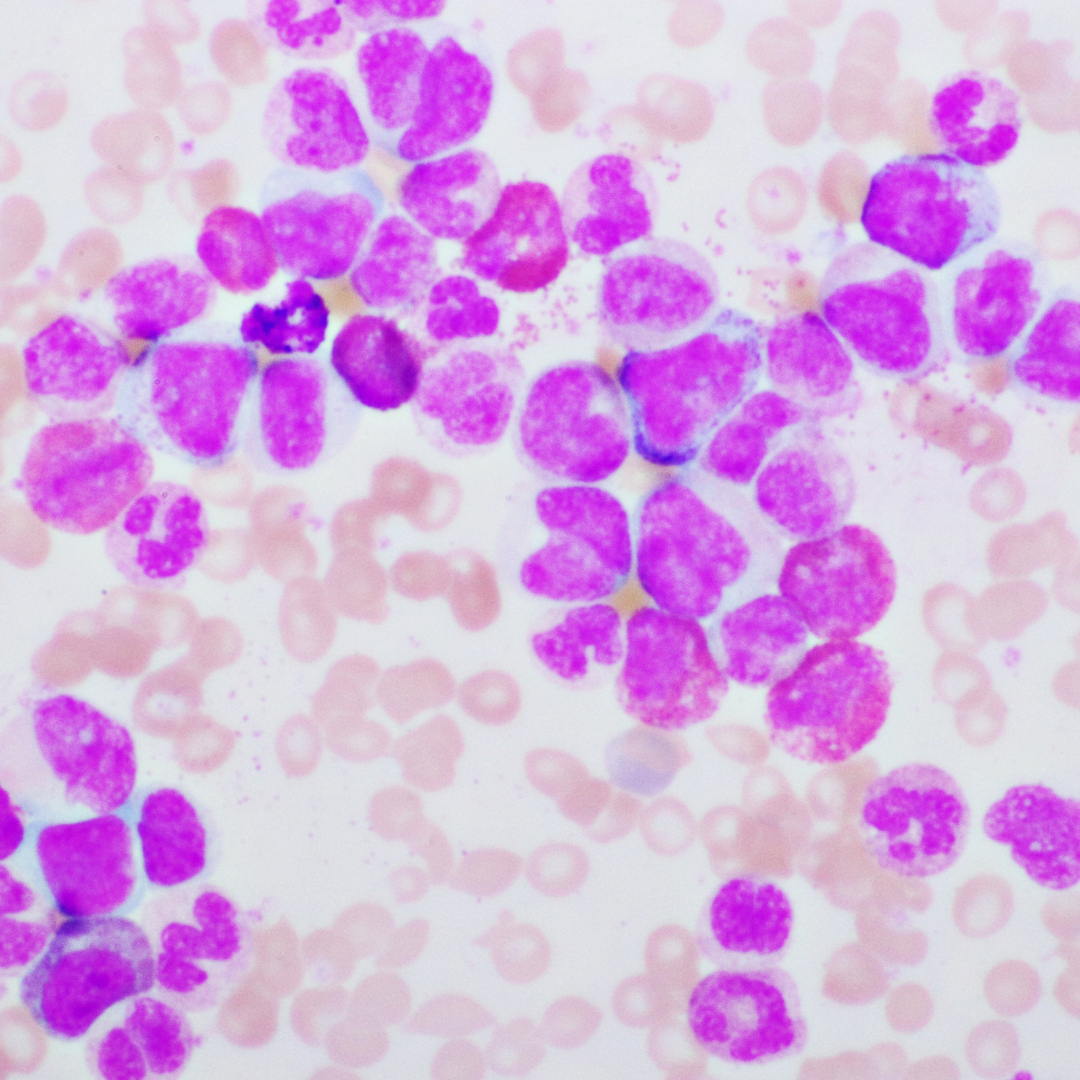
Ma et al. showed that PSMB10 promotes drug-resistant leukemia stemness by preventing senescence and immune killing.
Wang et al. showed that an upstream open reading frame regulates ABA2 translation, controlling seed-to-seedling transition.
CircMAPK1-encoded micropeptide circMAPK1-110aa inhibits proliferation and differentiation of goat skeletal muscle satellite cells by suppressing MAPK1/3 phosphorylation
International Journal of Biological Macromolecules, 2026
Pan, Q., Lou, M., Zhu, M., He, X., Lan, X., Zhang, S. and Ling, Y.
Sunday Paper 1
The authors demonstrate that the circular RNA circMAPK1 encodes a functional 110-amino-acid micropeptide, circMAPK1-110aa, in goat skeletal muscle satellite cells. Functional analyses showed that circMAPK1-110aa inhibits both cell proliferation and myogenic differentiation by suppressing phosphorylation of MAPK1/3, indicating that it negatively regulates skeletal muscle development. These findings challenge the traditional view of circular RNAs as exclusively non-coding molecules and reveal an additional layer of post-transcriptional regulation mediated by circRNA-derived peptides.
The study also highlights the importance of ribosome profiling, which detects ribosome-associated RNAs and enables the identification of actively translated circular RNAs. By uncovering previously unrecognized micropeptides such as circMAPK1-110aa, ribosome profiling broadens our understanding of the coding potential of the transcriptome and provides a powerful approach for discovering novel regulators of muscle growth, development, and other biological processes.
PSMB10 maintains the stemness of chemotherapeutic drug-resistant leukemia cells by inhibiting senescence and cytotoxic T lymphocyte-mediated killing in a ubiquitinated degradation manner
Journal of Experimental & Clinical Cancer Research, 2025.
Ma, X., Li, Y., Wang, D., Niu, J., Li, Q., Chen, Y., Wang, M., Wen, J., Liao, C., Wang, N. and Zhang, X.
Sunday Paper 2
The authors identify PSMB10 as a key regulator of chemotherapeutic drug-resistant leukemia cells, demonstrating that it preserves stem-like properties by preventing cellular senescence and protecting cells from cytotoxic T lymphocyte-mediated killing through ubiquitin-dependent protein degradation. Loss of PSMB10 reduced leukemia stemness, increased senescence, and enhanced immune-mediated elimination, suggesting that PSMB10 contributes to therapy resistance and disease persistence. The findings highlight PSMB10 as a potential therapeutic target for overcoming drug resistance in leukemia.
The study also applied polysome profiling and ribosome profiling in cancer research. Polysome profiling can assess translational efficiency of mRNAs associated with leukemia stemness, while ribosome profiling provides genome-wide, codon-level insights into active translation, enabling the discovery of translationally regulated genes and mechanisms that support drug resistance, immune evasion, and leukemia progression.
Control of seed-to-seedling transition by an upstream open reading frame in ABSCISIC ACID DEFICIENT2
Proceedings of the National Academy of Sciences, 2025.
Wang, Z., Zhang, X., Zhou, C. and Cao, X.
Sunday Paper 3
This study shows that an upstream open reading frame (uORF) in the ABSCISIC ACID DEFICIENT2 (ABA2) transcript plays a pivotal role in regulating the seed-to-seedling transition by controlling ABA2 translation. The uORF acts as a translational regulatory element, fine-tuning abscisic acid biosynthesis to ensure proper timing of germination and early seedling establishment in response to developmental and environmental cues.
Disruption of the uORF alters ABA2 protein production, leading to changes in abscisic acid levels and impaired developmental progression. The findings emphasize the importance of translational regulation, in addition to transcriptional control, in plant development. The study also highlights the utility of polysome profiling, which enables the assessment of ribosome loading onto ABA2 mRNA, revealing changes in translational efficiency and providing mechanistic insight into how uORFs regulate gene expression during critical developmental transitions.