

Translatomics for embryogenesis, viral infections and bananas

Recent Publications Harnessing the Power of Translatomics
Every week we provide a digest of a small number of recent interesting papers in the field of translatomics.
In this week’s Sunday papers,
- Li, Y. et al. find that tRNA repertoires transition from maternal to embryonic during oocyte to blastocyst change.
- Talló-Parra, M. et al. find that persistent arbovirus infection in mosquitos is maintained through selective translational repression of viral RNAs.
- Chen, Y. et al. find that enhanced sugar production in bananas is achieved through coordinated regulation of transcription, translation, and protein accumulation.
Deciphering tRNA repertoires and translation coordination during mouse early embryogenesis by ORACLE-tRNAseq
Nature Communications, 2026
Li, Y., Wang, X., Huang, R., Yu, H., Wu, Y., Shu, Z., Jiang, W., Cao, Z et al.
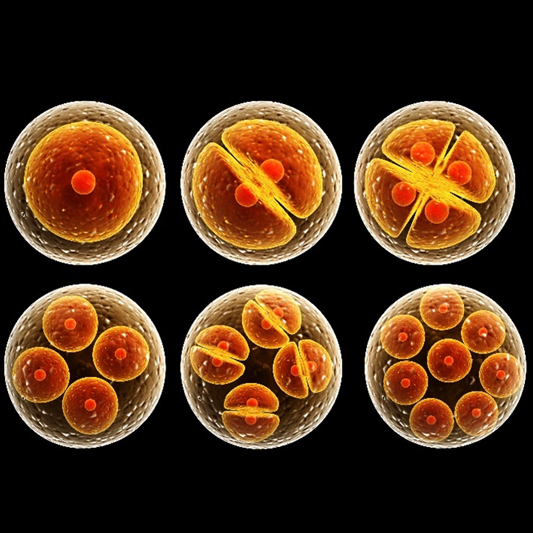
In this study, a new approach was developed, ORACLE-tRNAseq (Optimized Reaction for Accurate Capture of Low-input Entities tRNA Sequencing), an ultra-low-input sequencing method that enables accurate, comprehensive profiling of transfer RNAs (tRNAs) from as few as five mouse oocytes or embryos. This overcame a major technical limitation in studying tRNA dynamics during early embryogenesis. Applying ORACLE-tRNAseq across mouse preimplantation development (oocyte to blastocyst), the authors identified a developmental transition from maternal to embryonic tRNA repertoires, accompanied by increased expression of tRNA pseudogenes at the 4-cell stage. Multi-omics integration showed that activation of zygotic tRNA genes coincides with zygotic genome activation (ZGA) and is associated with H3K4me3 deposition and chromatin remodeling, indicating coordinated transcriptional regulation. By combining ORACLE-tRNAseq with ribosome profiling, the study further demonstrated that embryonic tRNA anticodon pools become increasingly matched to codon usage in highly translated genes after major ZGA, promoting efficient synthesis of proteins required for embryonic development.
Overall, the work establishes the first high-resolution atlas of tRNA dynamics during mouse early embryogenesis. By integrating tRNA-seq with transcriptomic, epigenomic, and ribosome profiling datasets, the study reveals that changing tRNA pools are coordinated with codon demand during embryogenesis, providing a powerful approach to investigate translational regulation in development, stem cell biology, and diseases where tRNA expression and codon-dependent translation are altered.
Translational repression of viral RNAs supports persistent arbovirus infection in mosquitoes
PLOS Biology, 2026
Talló-Parra, M., Puig-Torrents, M., Pérez-Vilaró, G., Ribó Pons, S. and Díez, J.

The study investigated the mechanisms that enable arboviruses to establish persistent infections in mosquito cells without causing the cytopathic effects observed in mammalian hosts. Using chikungunya virus (CHIKV) and Zika virus (ZIKV) infection models in Aedes albopictus cells, the authors combined polysome profiling and proteomics to examine host and viral translation during infection. They found that persistent infection is maintained through selective translational repression of viral RNAs, which markedly reduces viral protein synthesis while allowing viral RNA replication to continue. In contrast, translation of host mRNAs gradually recovers after the acute phase, enabling mosquito cells to remain viable despite ongoing infection. The study also showed that this repression occurs independently of the RNA interference (RNAi) pathway and is not driven by widespread host translational shutdown or changes in tRNA modifications. Furthermore, the viral nsP2 protein did not induce the host transcriptional suppression typically observed in mammalian cells. Similar translational repression of viral RNAs was observed during ZIKV infection, suggesting that this strategy is conserved among arboviruses. Another aspect of reduced CHIKV protein synthesis is its inefficient decoding of viral codons, as no changes in the tRNA modification landscapes were induced which was detected with LC-MS/MS.
Overall, the findings demonstrate that selective control of viral translation is a central mechanism supporting long-term virus persistence in mosquito vectors while preserving host cell survival. Polysome profiling was critical for distinguishing RNA abundance from active translation. This technique provided genome-wide, quantitative evidence that selective translational repression of viral RNAs is a conserved mechanism enabling persistent arbovirus infection in mosquito cells.
Learn more about EIRNABio’s polysome profiling services here.
Enhancing soluble sugar accumulation in banana (Musa acuminata) through 5-azacytidine-mediated reinforcement of starch degradation involving DNA methylation-dependent and independent pathways
Journal of Advanced Research, 2026
Chen, Y., Li, D., Xu, Y., Li, G., Zhang, H., Wang, Z., Liang, B., Li, Y. and Luo, Z.

One of the challenges of the banana industry is maintaining sweetness during postharvest handling. This study explores how the DNA demethylating agent 5-azacytidine (5-azaC) epigenetically reprograms the starch-to-sugar conversion in banana (Musa acuminata) pulp under ethylene. The authors integrated physiological measurements with transcriptomic, methylomic, proteomic, and polysome profiling analyses. Treatment with 5-azaC significantly accelerated starch degradation and increased the accumulation of soluble sugars, including sucrose, glucose, and fructose, resulting in faster fruit ripening. Genome-wide DNA methylation analysis showed that 5-azaC induced extensive DNA hypomethylation, leading to activation of genes involved in starch degradation and sugar metabolism through methylation-dependent transcriptional regulation. However, the study also identified genes whose expression and protein abundance increased independently of changes in DNA methylation, indicating that methylation-independent regulatory mechanisms also contribute to sugar accumulation. Multi-omics integration demonstrated that enhanced sugar production is achieved through coordinated regulation of transcription, translation, and protein accumulation.
Overall, the findings reveal that 5-azaC promotes banana fruit ripening by reinforcing starch degradation through both DNA methylation-dependent and methylation-independent pathways, providing new insights into the epigenetic and translational regulation of fruit quality and carbohydrate metabolism. Polysome-seq enabled the authors to identify actively translated mRNAs, revealing that changes in protein production were not always predicted by transcript abundance alone. This includes finding specific translational changes e.g. upregulated MaBAM3, MaBAM11 and MaISA2 and downregulated MaDPE1, and also global changes in translation in banana pulp during post ripening.
Learn more about EIRNABio’s polysome profiling services here.

