Translatomics for RNF10, Myc, and aging

Recent Publications Harnessing the Power of Translatomics
Every week we provide a digest of a small number of recent interesting papers in the field of translatomics.
In this week’s Sunday papers,
- Lehmann et al. demonstrate the importance of RNF10 in resolving subunit dissociation upon ribosomal collisions.
- Kovalski et al. uncover the role RBM42 in promoting the translation of specific oncogenic transcripts, with a focus on MYC.
- Di Fraia et al. reveal the ribosomal defects associated with aging in the fish model Nothobranchius furzeri.
E3 ubiquitin ligase RNF10 promotes dissociation of stalled ribosomes and responds to ribosomal subunit imbalance
Nature Communications, 2024
Lehmann, J.A., Lindner, D., Sung, H.M. and Stoecklin, G.
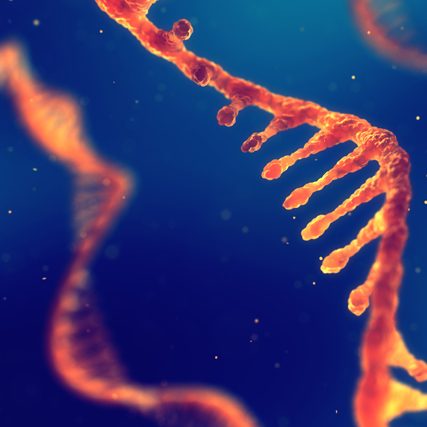
Translation fidelity is safeguarded by ribosome-associated quality control (RQC) pathways, which resolve ribosome stalling caused by aberrant mRNAs, tRNA imbalances, suboptimal codons, or ribotoxins. Stalled ribosomes collide, forming unique interfaces recognized by E3 ligases that ubiquitinate ribosomal proteins to trigger subunit dissociation, degradation, or recycling, alongside mRNA decay. In mammals, ZNF598 is central to this process, while in yeast, Mag2 and Hel2 act sequentially. The human Mag2 homologue, RNF10, previously linked to neuronal development and adiposity, has now been shown to monoubiquitinate RPS3 during initiation and elongation stalling, promoting 40S turnover. Here, the authors investigate the role of RNF10 in ribosome collisions further.
Utilising siRNA knockdown and CRISPR/Cas9 knockout of RNF10 in HeLa and RPE1 cells revealed that RNF10 is the primary ligase mediating monoubiquitination of RPS3 upon translation elongation stalling induced by inhibitors such as anisomycin, cycloheximide, and blasticidin. Western blotting after polysome fractionation showed that ubiquitination occurs within stalled 40S subunits, not free RPS3. Complementation with wild-type RNF10 in RNF10-KO cells restored RPS3 ubiquitination and suppressed ribosomal half-mer formation, while an E3-deficient mutant failed, highlighting RNF10’s ligase activity and role in efficient subunit dissociation. Using FLAG-tagged RPS3 mutants, the team demonstrated that ubiquitination at K214 is essential for 40S dissociation. Perturbation of ribosome biogenesis via small ribosomal protein (40S) knockdowns triggered proteasome-mediated RNF10 degradation, whereas large ribosomal protein (60S) knockdowns stabilized RNF10 and enhanced RPS3 ubiquitination. Furthermore, RNF10 promotes 40S dissociation from the mRNA upon 60S subunit perturbation, preserving 40S/60S stoichiometry. These findings establish RNF10 as a regulator of 40S clearance and subunit stoichiometry under both elongation and initiation stalling.
Learn more about EIRNABio’s ribosome profiling services here.
Functional screen identifies RBM42 as a mediator of oncogenic mRNA translation specificity
Nature Cell Biology, 2025
Kovalski, J.R., Sarioglu, G., Subramanyam, V., Hernandez, G., Rademaker, G., Oses-Prieto, J.A., Slota, M., Mohan, N., Yiakis, K., Liu, I., Wen, K.W., Kim, G.E., Miglani, S., Burlingame, A.L., Goodarzi, H., Perera, R.M., and Ruggero, D.
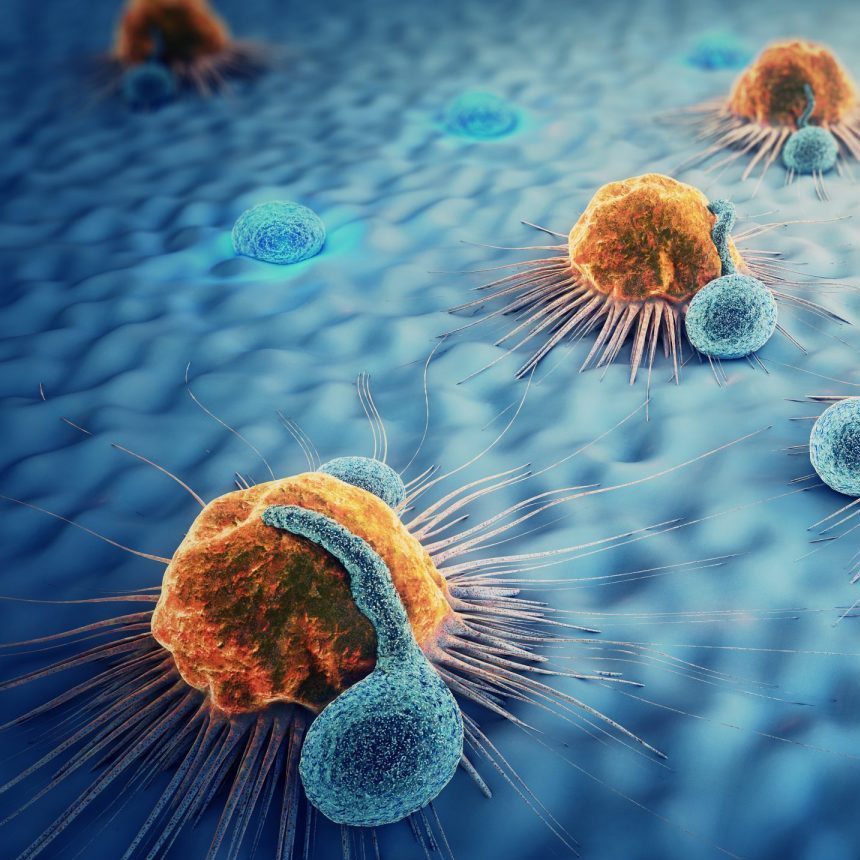
Cancer cells depend on elevated levels of oncogenic proteins such as Myc, a master transcription factor overexpressed in over 70% of cancers and critical for pancreatic ductal adenocarcinoma (PDAC) progression. While Myc stability is partly understood, mechanisms regulating its translation remain unclear. The 5′ UTR and RNA-binding proteins (RBPs) may play key roles in transcript-specific translational control, yet these interactions are poorly characterized. As PDAC is highly lethal, resistant to therapies, and often driven by Myc overexpression, uncovering selective regulators of Myc translation could reveal new therapeutic strategies. Here, a genome-wide CRISPRi screen is developed to identify such regulators.
Researchers uncover known regulators of MYC translation (such as eIF4A1, eIF4H, eIF4B) , validating the approach, while uncovering novel regulators, such as UBAP2L, METTL3, and YTHDF2 which were confirmed by western blot and polysome profiling to enhance MYC translation without altering mRNA levels. A top hit, RBM42, was found upregulated in PDAC and correlated with poor survival (IHC, TCGA). RBM42 knockdown reduced Myc protein (as assayed by western blot and polysome profiling) and impaired cell viability and tumour growth (as seen via colony assays and xenografts), with rescue by Myc overexpression. CLIP-seq and CLIP-qPCR showed RBM42 binding to MYC 5′UTR, while DMS-seq revealed structural remodelling that promoted initiation. Interactome-MS, immunoprecipitation, and 48S PIC assembly assays demonstrated RBM42 associates with 40S ribosomal subunits and initiation factors to facilitate PIC recruitment. Polysome sequencing further revealed RBM42 regulates a broader oncogenic translational program, including EGFR and JUN.
Learn more about EIRNABio’s polysome profiling services here.
Altered translation elongation contributes to key hallmarks of aging in the killifish brain
Science, 2025
Di Fraia, D., Marino, A., Lee, J.H., Kelmer Sacramento, E., Baumgart, M., Bagnoli, S., Balla, T., Schalk, F., Kamrad, S., Guan, R., Caterino, C., Giannuzzi, C., Tomaz da Silva, P., Sahu, A.K., Gut, H., Siano, G., Tiessen, M., Terzibasi-Tozzini, E., Fornasiero, E.F., Gagneur, J., Englert, C., Patil, K.R., Correia-Melo, C., Nedialkova, D.D., Frydman, J., Cellerino, A., and Ori, A.
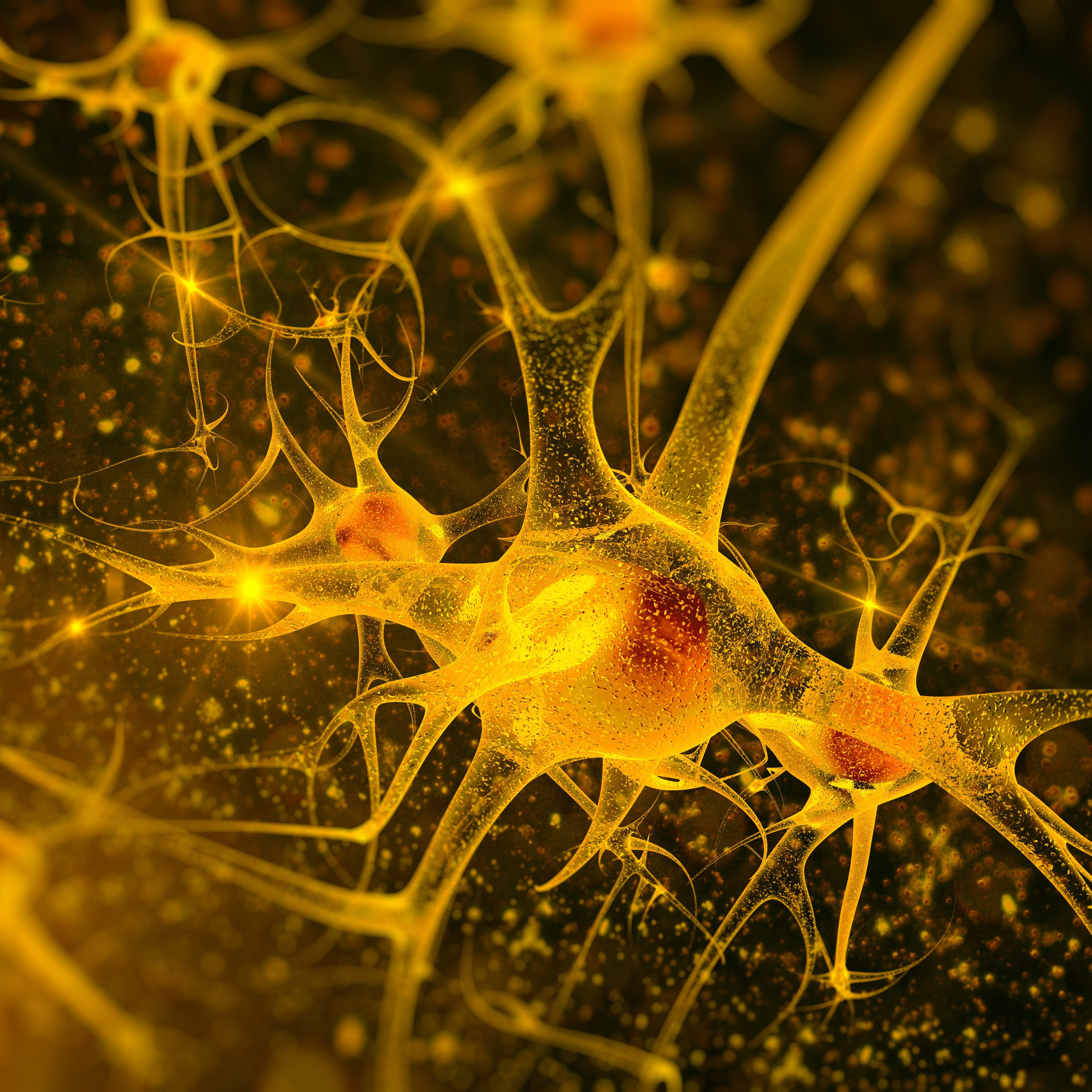
Aging and neurodegeneration compromise proteostasis, the cellular system that regulates protein synthesis, folding, degradation, and localization, ultimately leading to the accumulation of protein aggregates. This process is particularly critical in the brain, where postmitotic neurons are especially susceptible to proteostasis disruption, a key factor in age-related neurodegenerative disorders. To investigate this, the short-lived killifish Nothobranchius furzeri, is an attractive model due to its brief lifespan and conserved hallmarks of brain aging, including gliosis, neuroinflammation, senescence, and protein aggregation. Here, the authors conducted a comprehensive analysis of proteostasis in the aging killifish brain, integrating measurements of transcripts, proteins, and translational dynamics.
To dissect age-associated disruption of proteostasis in the Nothobranchius furzeri brain, the study integrated multiple omics approaches. RNA-seq and DIA mass spectrometry were used to quantify transcript and protein abundance, enabling calculation of a “decoupling score” that identified systematic transcript–protein mismatches. Cross-validation with TMT-based proteomics confirmed reproducibility. Multiple linear regression revealed that protein abundance, half-life (from mouse brain datasets), and amino acid composition significantly predicted decoupling, with lysine- and arginine-rich proteins—such as DNA repair and RNA-binding factors—most affected. Subcellular fractionation and detergent solubility profiling demonstrated that aging selectively altered ribosomal and respiratory chain complexes, with mitochondrial proteins showing increased aggregation and compositional remodelling, while cytosolic ribosomal proteins declined despite elevated transcript levels. Chronic in vivo proteasome inhibition (bortezomib) reproduced some proteostasis defects but induced distinct decoupling signatures, indicating non-equivalence with aging. Ribosome profiling (Ribo-Seq) further uncovered age-dependent translation elongation defects, including increased ribosome pausing and collisions at polybasic codons, mechanistically linking aberrant translation dynamics to reduced protein abundance and aggregation of ribosomal and nucleic acid–binding complexes.
Learn more about EIRNABio’s ribosome profiling services here.