Recent Publications Harnessing the Power of Translatomics
Every week we provide a digest of a small number of recent interesting papers in the field of translatomics.
In this week’s Sunday papers,
Lee et al. highlighted that EV-A71 hijacks phosphorylated serine- and ariginine-rich (SR) proteins, recruiting them to polysomes to facilitate IRES-dependent viral translation and replication.
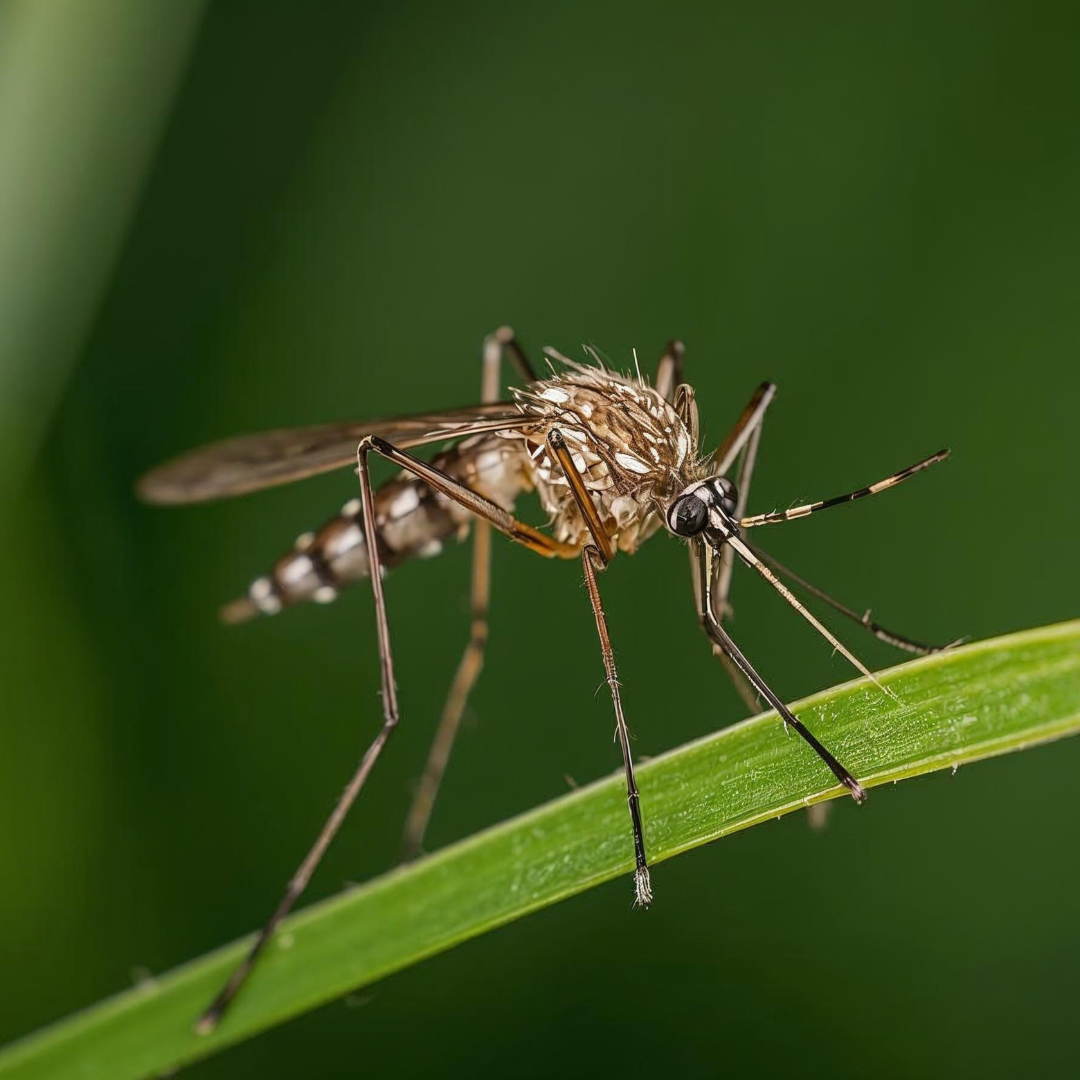
Li et al. showed that lysyl-tRNA synthetase (KARS) depletion causes lysine-codon ribosome stalling, impairing translation and disrupting hormone signaling essential for mosquito reproduction.
Liu et al. underlined that HuR enhances Drosha translation by recruiting Drosha mRNA to polysomes, promoting miRNA biogenesis and regulating cellular responses.
Subversion of phosphorylated SR proteins by enterovirus A71 in IRES-dependent translation revealed by RNA-interactome analysis
The study shows that Enterovirus A71 (EV-A71) hijacks phosphorylated serine- and ariginine-rich (SR) proteins during early infection. RNA-interactome analysis revealed their phosphorylation and relocalization from the nucleus to the cytoplasm, where they associate with viral RNA and translation machinery. Knockdown of SRSF4, SRSF5, and SRSF6 impaired viral replication, while inhibiting SR-protein phosphorylation reduced IRES-dependent translation and EV-A71 replication.
Polysome profiling provided key mechanistic evidence: during early infection, phosphorylated SR proteins shifted from free mRNPs into 40S, 80S, and polysome fractions, demonstrating their physical association with translation complexes. Puromycin and EDTA disruption further confirmed ribosome association. Thus, EV-A71 appears to recruit phosphorylated SR proteins to translation machinery to facilitate IRES-dependent viral protein synthesis, particularly during the early “eclipse” phase.
Lysyl-tRNA synthetase orchestrates translation and hormone signaling during reproduction in Aedes aegypti mosquitoes
Communications Biology, 2025.
Li, S., Wang, X., Lu, H., Raikhel, A.S. and Zou, Z.
Sunday Paper 2
Lysyl-tRNA synthetase (KARS) is essential for Aedes aegypti reproduction due to its role in coordinating translation and hormone signaling. KARS knockdown disrupts ovarian maturation and fertility by increasing juvenile hormone while reducing 20-hydroxyecdysone, thereby impairing vitellogenesis.
Polysome profiling revealed increased polysome abundance and an elevated polysome/monosome ratio in KRAS-deficient mosquitos, indicating enhanced translation initiation after KARS depletion. However, puromycin incorporation showed reduced nascent protein synthesis, revealing a paradoxical disconnect between initiation and productive translation. Ribosome profiling resolved this mechanism by demonstrating ribosome stalling, particularly upstream of AAA/AAG lysine codons, consistent with impaired lysine-tRNA charging when KARS is depleted. Thus, increased ribosome loading does not translate into efficient protein production because elongating ribosomes become stalled.
These findings establish KARS as a critical link between aminoacyl-tRNA availability, translational efficiency, hormone signaling, and mosquito reproductive fitness.
The RNA-binding protein HuR regulates microRNA biogenesis via increased Drosha expression
Experimental Cell Research, 2025.
Liu, L., Wang, L., Wang, Y., Zhuang, R., Zhang, Y., Li, J., Xie, J. and Yin, W.
Sunday Paper 3
RNA-binding protein, HuR, promotes miRNA biogenesis by enhancing Drosha expression through direct 3′-UTR binding and increasing c-Myc-mediated transcription. Polysome profiling supports a translational mechanism, showing that HuR increases Drosha mRNA recruitment to actively translating polysomes, thereby enhancing Drosha protein production.
HuR silencing consequently reduces Drosha expression and broadly suppresses mature miRNAs, with 370 of 372 miRNAs decreased. HuR binding to Drosha mRNA promotes its translation and prevents sequestration in P-bodies, while HuR also increases Drosha transcription indirectly through c-Myc. In intestinal epithelial cells and a thoracic-trauma model, reduced HuR correlates with diminished Drosha and impaired miRNA biogenesis, contributing to apoptosis.
Thus, polysome profiling provides important evidence that HuR regulates miRNA biogenesis post-transcriptionally by enhancing Drosha translation, complementing its transcriptional regulation through c-Myc.