
Translatomics for pertussis, ncORFs, and tRNA hydroxylation

Recent Publications Harnessing the Power of Translatomics
Every week we provide a digest of a small number of recent interesting papers in the field of translatomics.
In this week’s Sunday papers,
- Leguia et al. employed RNA-seq and ribosome profiling and demonstrated substantial DTP and DTaP vaccine-induced changes in gene expression.
- Deutsch et al. integrate RNA-seq and ribosome profiling to analyse thousands of translated non-canonical open reading frames.
- Frommeyer et al. integrate RNA-seq and ribosome profiling to investigate tRNA hydroxylation in Pseudomonas aeruginosa.
Systems biology-based assessment of immune responses to whole cell and acellular pertussis vaccines
npj Vaccines, 2025
Leguia, M., Vila-Sanjurjo, A., Juarez, D., Garcia-Glaessner, A., Gil, A.I., Alvarez, M., Cornejo, R., Cherikh, S., Gelber, C.E., Goll, J.B., Howard, L.M. et al.

Pertussis remains a significant public-health problem despite widespread vaccination. Whole-cell pertussis vaccine (DTP) can cause more local and systemic adverse reactions, whereas acellular vaccine (DTaP) is less reactogenic and similarly immunogenic initially. However, the resurgence of pertussis and evidence of more rapid waning of protection after DTaP vaccination suggest that the two vaccines may generate qualitatively different immune responses. The rationale for this study was therefore to establish a systems-biology approach capable of defining these differences at both the transcriptional and translational levels, particularly in infants. The investigators enrolled 50 infants receiving either DTP or DTaP and collected peripheral blood mononuclear cells (PBMCs) before vaccination and 2 or 8 days afterwards. The authors employed RNA-seq and ribosome profiling (RP) and demonstrated substantial vaccine-induced changes in gene expression, particularly 24 hours after vaccination.
Across both vaccine groups, RNA-seq and RP identified 2,693 differentially expressed genes at Day 2, compared with 395 at Day 8, indicating a much stronger early transcriptional response. At Day 2, 2,172 genes were differentially transcribed by RNA-seq, whereas 1,021 were differentially translated by RP. Importantly, only a subset overlapped: in DTP recipients, for example, 1,620 genes were transcriptionally altered but only 409 were differentially regulated at both transcriptional and translational levels. Translational-efficiency analyses further demonstrated substantial post-transcriptional regulation. Overall, the study validates the feasibility and value of combining RNA-seq with RP in infants, showing that transcriptional measurements alone do not fully represent vaccine-induced gene expression. The approach provides a foundation for identifying molecular signatures that may explain differences in immunity generated by DTP and DTaP.
Learn more about EIRNABio’s RNA-seq and ribosome profiling services here.
Expanding the human proteome with microproteins and peptideins
Nature, 2026
Deutsch, E.W., Kok, L.W., Mudge, J.M., Valls, C.F., Jungreis, I., Ruiz-Orera, J., Sun, Z., Kusebauch, U., Fierro-Monti, I., Abelin, J.G., Alba, M.M. et al.

The human genome contains approximately 19,500 annotated protein-coding genes, yet ribosome-profiling studies have revealed thousands of translated non-canonical open reading frames (ncORFs) within regions previously considered non-coding. A major unresolved question is which of these translated ORFs produce bona fide microproteins that contribute to the human proteome, and which represent transient or biologically inconsequential translation. The TransCODE Consortium therefore sought to establish a rigorous, community-wide framework for distinguishing functional microproteins from less well-characterized translated products. The study analysed 7,264 GENCODE-supported ncORFs using an extensive collection of 95,520 proteomics experiments, complemented by immunopeptidomics, evolutionary analysis, functional genomics, RNA-seq and ribosome profiling. RNA-seq was particularly important for establishing that candidate ncORFs were expressed in the relevant cells, while Ribo-seq provided direct evidence of active translation. The investigators integrated these datasets with proteomic evidence to classify ncORFs into evidence-based tiers.
Approximately 25% of the 7,264 ncORFs produced detectable peptides in the large-scale proteomic analysis. Conventional mass spectrometry identified peptides from 183 ncORFs, although stringent manual curation substantially reduced the number of high-confidence candidates. Ribo-seq was critical for validating translation and eliminating candidates lacking convincing ribosome-occupancy evidence. Fifteen ncORFs ultimately achieved the highest tier of evidence, with three subsequently annotated by GENCODE as protein-coding genes. Importantly, the study also identified numerous “peptideins”, translated microproteins whose biological significance remains uncertain. Functional screening identified 51 ncORFs with pan-essential signatures. One example, c10riboseqorf92 within the OLMALINC lncRNA, encoded a 123-amino-acid peptidein with an essential cellular function. Overall, the study demonstrates that combining RNA-seq, Ribo-seq, proteomics, immunopeptidomics and functional genomics can systematically expand and refine the human proteome.
Learn more about EIRNABio’s RNA-seq and ribosome profiling services here.
tRNA hydroxylation is an epitranscriptomic modulator of metabolic states affecting Pseudomonas aeruginosa pathogenicity
Nucleic Acids Research, 2026
Frommeyer, Y.N., Gomez, N.O., Preusse, M., Arce-Rodriguez, A., Neubauer, K., Kennepohl, B., Witte, J., Bouheraoua, S., Cetraro, P., Erdmann, J., Neumann-Schaal, M. et al.
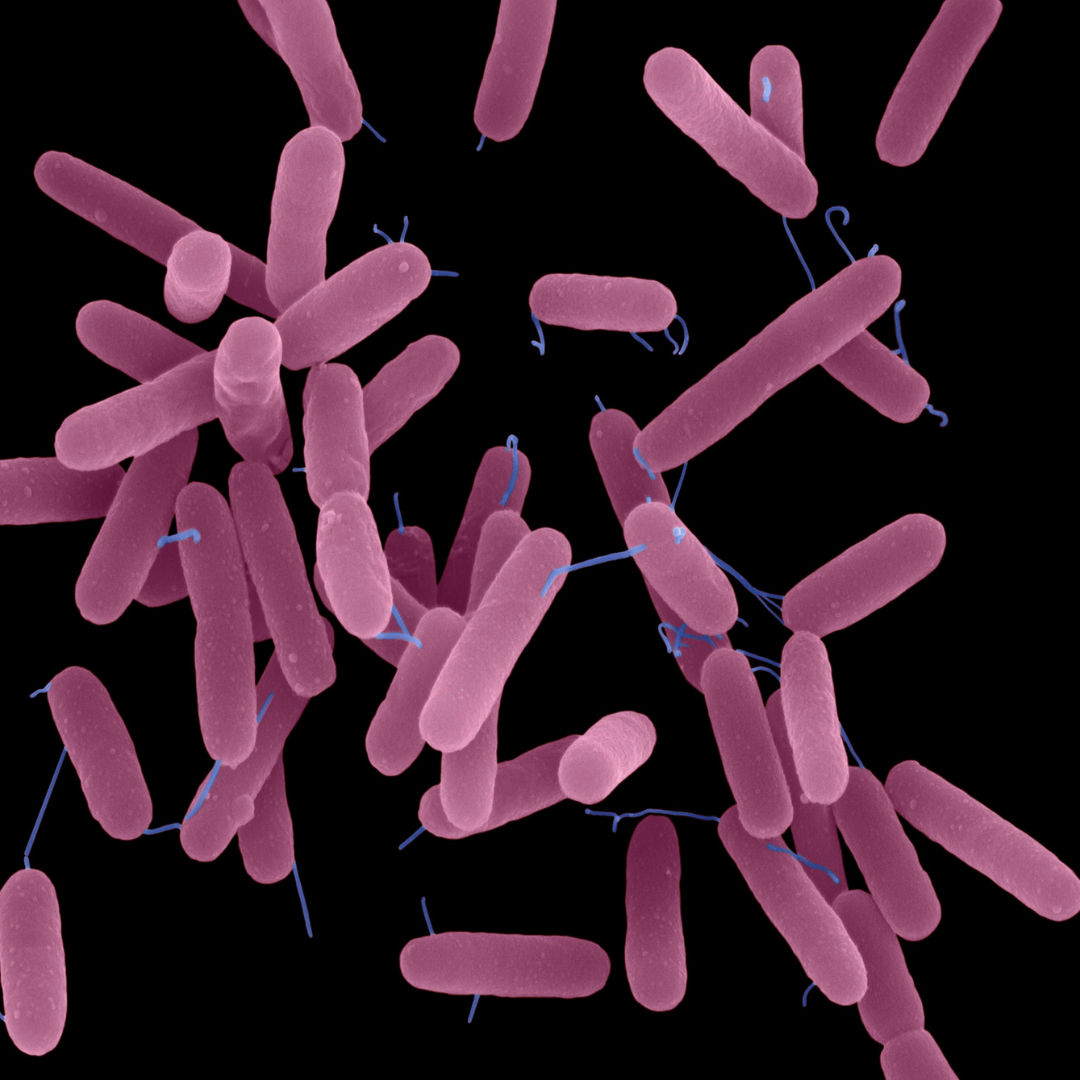
Pseudomonas aeruginosa is an opportunistic pathogen whose ability to adapt to changing environments contributes to its persistence and virulence. Although tRNA modifications are increasingly recognised as important regulators of translation and bacterial physiology, the role of hydroxylated wobble uridine (xo⁵U) modifications in P. aeruginosa remain poorly understood. The study therefore aimed to identify the machinery responsible for xo⁵U modification and determine how loss of this epitranscriptomic mark affects translation, metabolism and pathogenicity. The authors identified TrhP and TrhO as the enzymes required for xo⁵U biosynthesis and generated a ΔtrhPO mutant lacking these modifications. Nano-tRNA sequencing and LC-MS/MS confirmed the presence and loss of xo⁵U derivatives in specific tRNAs. To determine the downstream consequences, the authors integrated RNA-seq and ribosome profiling (Ribo-seq) with proteomic and metabolomic analyses. RNA-seq revealed changes in transcript abundance between wild-type and ΔtrhPO cells, demonstrating that loss of tRNA modification affects cellular gene regulation.
However, the Ribo-seq data provided a more direct view of the translational consequences. Biological replicates showed highly reproducible profiles, while comparison of RNA-seq and Ribo-seq demonstrated distinct transcriptional and translational dynamics. Analysis of codon-specific translation efficiency showed that transcripts enriched for xo⁵U-dependent codons were particularly affected in the mutant, supporting a direct role for these tRNA modifications in accurate and efficient decoding. Despite these translational effects, proteomic differences were relatively modest. Instead, metabolomics revealed substantial metabolic rerouting, including increased flux towards aromatic amino acids and phenazines. The ΔtrhPO mutant displayed impaired host-cell infection and reduced virulence in Galleria mellonella. Overall, the study demonstrates that tRNA hydroxylation links translation, metabolic state and pathogenicity, with metabolic reprogramming rather than major proteome disruption underlying the attenuated virulence phenotype.
Learn more about EIRNABio’s RNA-seq and ribosome profiling services here.