

Translatomics for cancer progression and plant adaptation

Recent Publications Harnessing the Power of Translatomics
Every week we provide a digest of a small number of recent interesting papers in the field of translatomics.
In this week’s Sunday papers,
- Larrue, C. et al. show the vital role of post-transcriptional and translational mechanisms in shaping cellular phenotypes and adaptation in acute myeloid leukaemia, independent of new genetic driver mutations.
- Zhou, W. et al. find that oncogenic mutant p53 acquires a non-canonical RNA-binding function that reprograms the translation of mitochondrial proteins to fuel malignancy.
- Suhorukova, A.V. et al. find that tomato plants selectively recruit stress-protective transcripts into heavy polysomes to mount an immediate defence against acute chilling.
Non-genetic remodeling drives leukemia propagation and reveals actionable vulnerabilities in acute myeloid leukemia
Cell Reports Medicine, 2026
Larrue, C., Angelino, P., Mouche, S., Green, A.S., Boet, E., Boussaid, I., Perez-Carretero, C., Birsen, R., Sajot, M., McKee, T.A., Sahal, A., Chapuis, N., Vergez, F., Recher, C., Mansat-De Mas, V., Kosmider, O., Sujobert, P., Catez, F., Diaz, J.-J., Sarry, J.-E., Tsantoulis, P. and Tamburini, J.
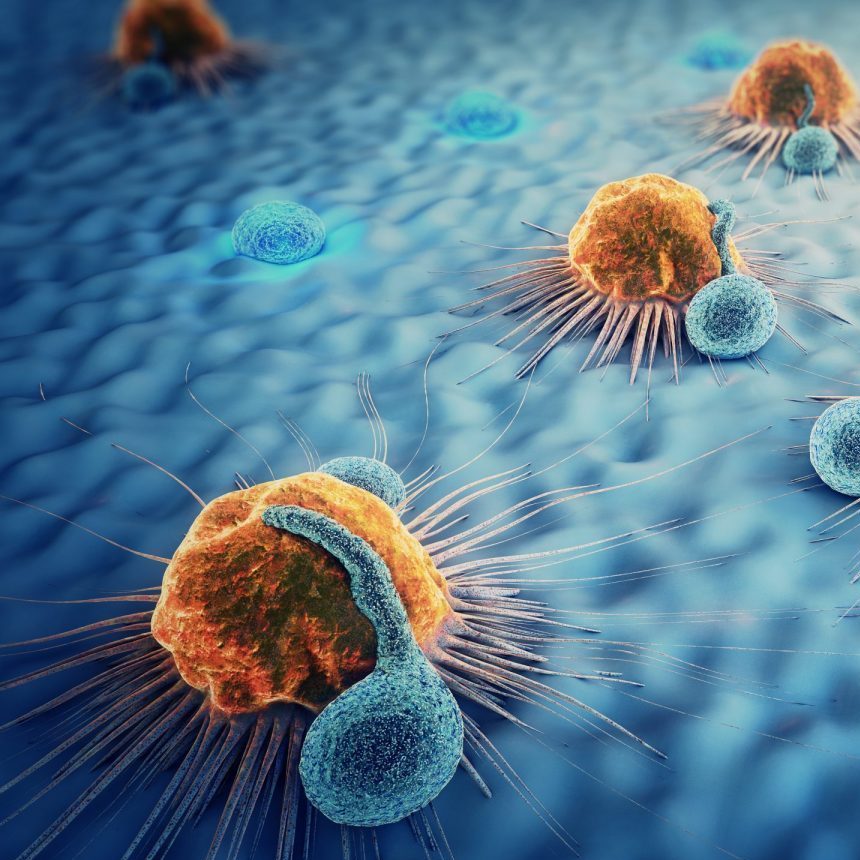
Acute myeloid leukemia (AML) persistence and relapse frequently arise without the emergence of new genetic driver mutations, pointing toward non-genetic, adaptive mechanisms that facilitate disease propagation. To explore how leukemic cells enhance their aggressiveness over time, the authors established an in vivo serial xenotransplantation model using primary patient-derived AML blasts in immunodeficient mice. Multi-omic profiling across successive transplantation cycles revealed that heightened disease propagation is driven by coordinated epigenetic remodelling via DNA methylation alongside reprogramming of translational machinery.
Crucially, the researchers used ribosome profiling (Ribo-seq) to demonstrate that leukemic cells dynamically modulate translation efficiencies, upregulating protein synthesis and altering engagement of ribosomes with specific transcripts essential for stemness and metabolic fitness.
Translatomic alterations confirmed an increased cellular reliance on active protein synthesis rather than altered transcriptional abundance alone. This heightened dependency on continuous, specialized protein synthesis creates weaknesses within the cancer cells that can be targeted therapeutically. Through high-throughput screening of over 3000 compounds, the authors identified that two specific drugs (CC-885 and AZD5582) stopped cancer cell propagation successfully by targeting translation and cell survival mechanisms. Furthermore, these targeted drugs worked together with standard cytarabine chemotherapy to make it significantly more effective in living models. This study proves that non-genetic, translational plasticity drives AML progression, establishing a strong rationale for combining translatome-directed therapies with standard anti-leukemic treatments.
Learn more about EIRNABio’s ribosome profiling services here.
Mutant p53 gains RNA-binding activity to reprogram translation and mitochondrial function
Cell reports, 2026
Zhou, W., Long, A., Douglas, C.J., Gallegos, D., Burke, J.M., MacMillan, D.W.C., Hacisuleyman, E. and Seath, C.P.
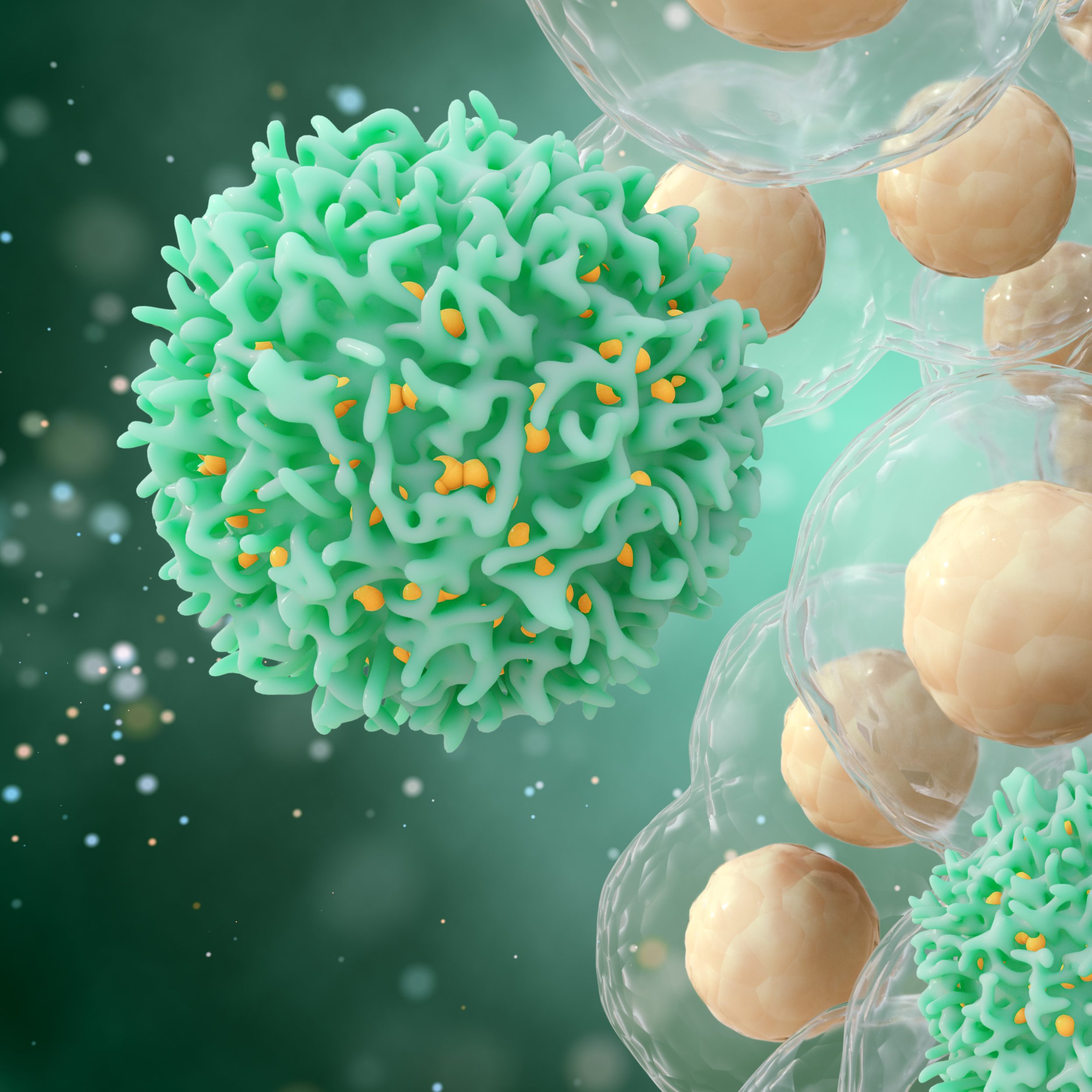
The tumor suppressor p53 is a well-characterized sequence-specific transcription factor that us mutated in ~50% human malignancies. Mutations within TP53 not only abolish wild-type tumor-suppressive functions but also confer oncogenic gain-of-function (GOF) properties. While transcriptional alterations driven by mutant p53 have been extensively mapped, its direct post-transcriptional mechanisms remain poorly understood. In this work, the authors discover that oncogenic mutant p53 acquires direct RNA-binding activity in human cancer cells. Utilizing photocatalytic proximity labeling (μMap) alongside crosslinking immunoprecipitation sequencing (CLIP-seq), they identified direct binding interactions between mutant p53 and messenger RNAs. To dissect how this RNA-binding capability modulates downstream gene expression, the authors performed ribosome profiling (Ribo-seq)—a translatomics method that sequences ribonuclease-resistant mRNA footprints to quantitatively capture translation efficiency and actively translating ribosomes with sub-codon precision. Ribo-seq demonstrated that mutant p53 directly reprograms the translation of a distinct subset of transcripts without altering global mRNA synthesis. Mutant p53 binds to and suppresses the translation of mRNAs encoding key mitochondrial factors, triggering mitochondrial structural defects and metabolic reprogramming. This translational rewiring promotes an adaptive metabolic switch that fuels cancer cell survival and proliferation. These findings redefine mutant p53 as a moonlighting RNA-binding protein that bypasses conventional transcriptional routes to regulate gene expression at the translational level, uncovering a novel vulnerability in p53-driven cancers.
Learn more about EIRNABio’s ribosome profiling services here.
Diversification of Cold Adaptation Strategies in Tomato Plants through Genetic Information Implementation
Russian Journal of Plant Physiology, 2025
A. V. Suhorukova, O. S. Pavlenko, I. S. Demyanchuk, D. S. Sobolev, V. N. Popov, I. V. Goldenkova-Pavlova, A. A. Tyurin

Cultivated tomato (Solanum lycopersicum) is a cold-sensitive crop whose growth and yield are severely compromised by low temperatures. While transcriptional responses to chilling are well-documented, adaptive survival also depends critically on how genetic information is implemented downstream at the translational level. In this study, the authors investigated cold-adaptation dynamics by comparing steady-state transcript levels with actively translating mRNAs across distinct thermal regimens, including acute cold shock and prolonged cold acclimation.
To explore this post-transcriptional layer, the researchers employed polysome profiling coupled with high-throughput sequencing (polysome-seq). This translatomics approach uses sucrose density gradients to separate untranslated mRNAs from efficiently translated transcripts associated with multiple ribosomes (polysomes). By isolating and sequencing heavy polysome fractions alongside total cellular RNA, the authors precisely quantified transcript-specific translational efficiencies.
The resulting polysome-seq datasets revealed widespread discordance between transcriptional induction and actual ribosome loading. While prolonged acclimation drove extensive remodelling of the steady-state transcriptome, acute low-temperature exposure prompted immediate, selective shifts in polysome recruitment. Transcripts prioritized for high translational efficiency were strongly enriched for molecular chaperones, antioxidant enzymes, and metabolic modulators, demonstrating that translational control operates as an agile frontline defence mechanism.
These findings show that polysome-seq captures vital regulatory dynamics invisible to standard RNA sequencing, proving that selective polysome engagement governs chilling survival and providing actionable targets for engineering cold-tolerant crops.
Learn more about EIRNABio’s polysome profiling services here.