Translatomics for mRNA, tRNA and stress granules

Recent Publications Harnessing the Power of Translatomics
Every week we provide a digest of a small number of recent interesting papers in the field of translatomics.
In this week’s Sunday papers,
- Xiao et al. find that LPS stabilizes NAT10 in macrophages to increase ac4C-dependent translation of inflammatory mRNAs.
- Wang et al. find that tRNA m1A modification by TRMT61A enables efficient STING translation in macrophages, sustaining interferon-driven antitumor immunity.
- Zhou et al. find that stress granule assembly in nasal macrophages drives allergic rhinitis by sequestering m7G-modified Lrp1 mRNA and suppressing LRP1 translation, thereby impairing efferocytosis.
Impact of N-acetyltransferase 10 on macrophage activation and inflammation-induced cardiac dysfunction
Cell Death and Disease, 2025.
Xiao, Z., Wei, X., Li, P., Chen, R., Yu, Z., Liang, Y., Su, Y. and Ge, J.
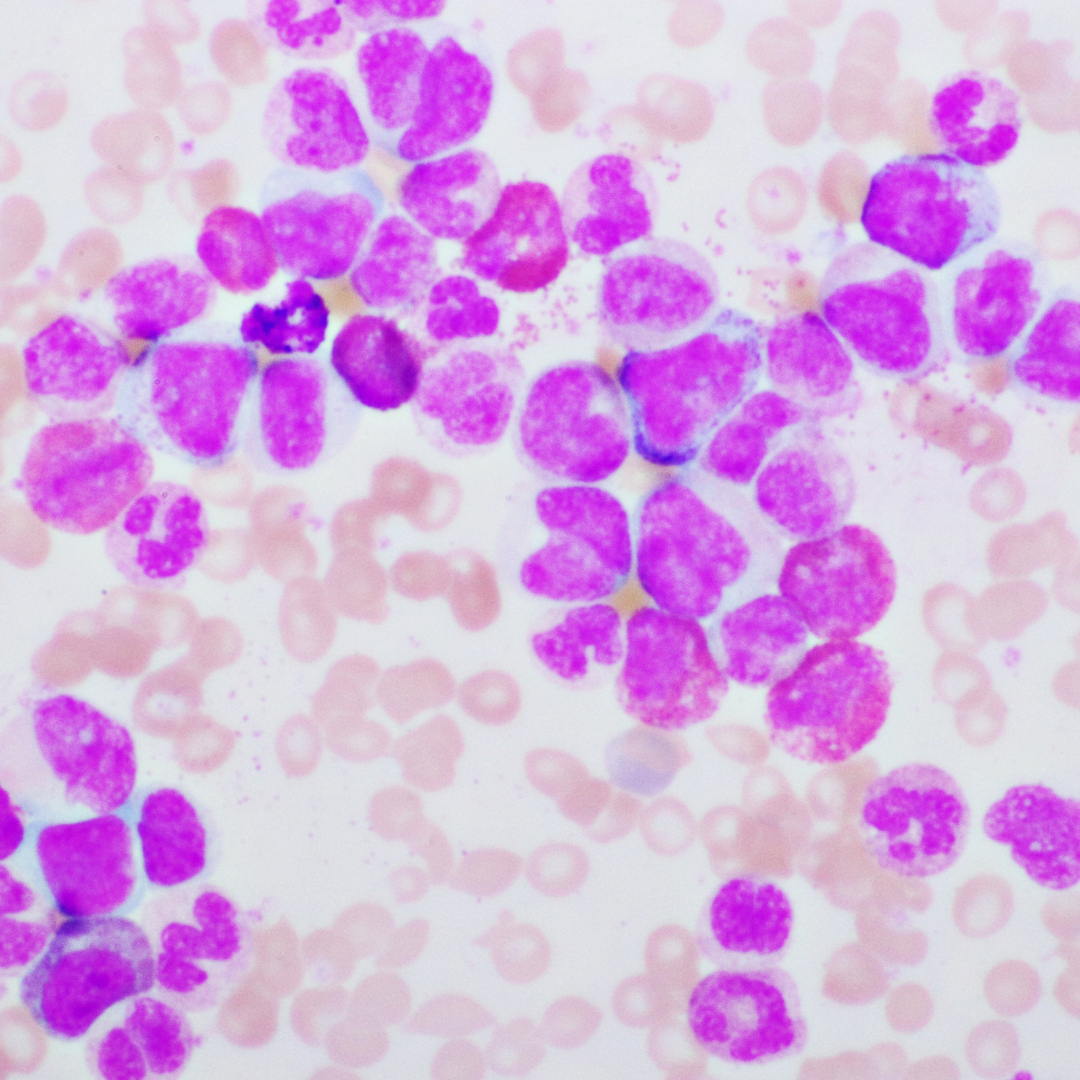
Endotoxemia and sepsis remain major challenges in critical care, often leading to cardiac dysfunction driven by excessive inflammation. Although macrophages are essential for pathogen defence, their uncontrolled activation and cytokine release can impair cardiomyocyte function and promote cardiac injury. Modulating macrophage inflammatory responses therefore represents a promising therapeutic strategy. Beyond transcriptional control, post-transcriptional RNA modifications are emerging as key regulators of immune function. Among these, N4-acetylcytidine (ac4C), catalysed by N-acetyltransferase 10 (NAT10), enhances mRNA translation efficiency and is altered in multiple diseases. In this paper, the authors explore the role of ac4C/NAT10 in macrophage activation and endotoxemia-induced cardiac dysfunction.
The results show that LPS stimulation markedly increases NAT10 protein and global ac4C RNA modification in macrophages, not through transcriptional upregulation but via enhanced protein stability. Mechanistically, LPS promotes interaction between NAT10 and the deubiquitinase USP39, which removes K48-linked ubiquitin chains and prevents proteasomal degradation of NAT10. Myeloid-specific Nat10 deletion or pharmacological inhibition suppresses pro-inflammatory macrophage activation, reducing cytokine production and M1 polarization. Multi-omics analyses reveal that NAT10 exerts its effects in an ac4C-dependent manner, selectively enhancing stability and translation efficiency of key inflammatory transcripts, most notably the transcription factor Ets2. Disruption of the NAT10/ETS2 axis dampens macrophage inflammatory responses. In vivo, myeloid Nat10 deficiency or NAT10 inhibition protects against LPS-induced myocardial inflammation, improves cardiac function, and increases survival, highlighting NAT10 as a potential therapeutic target in sepsis-associated cardiac dysfunction.
Learn more about EIRNABio’s ribosome profiling and polysome profiling services here.
tRNA m1A modification orchestrates STING translation in macrophages to enhance antitumor immunity and CAR-macrophage immunotherapy
Cellular and Molecular Immunology, 2026.
Wang, X., Wang, X., Li, H., Liu, S., Lu, Y., Chen, H., Cai, X., Su, S., Li, B., Liu, R., Hu, W., Zhu, X., Zhang, J., Ye, Y., and Li, H.-B.
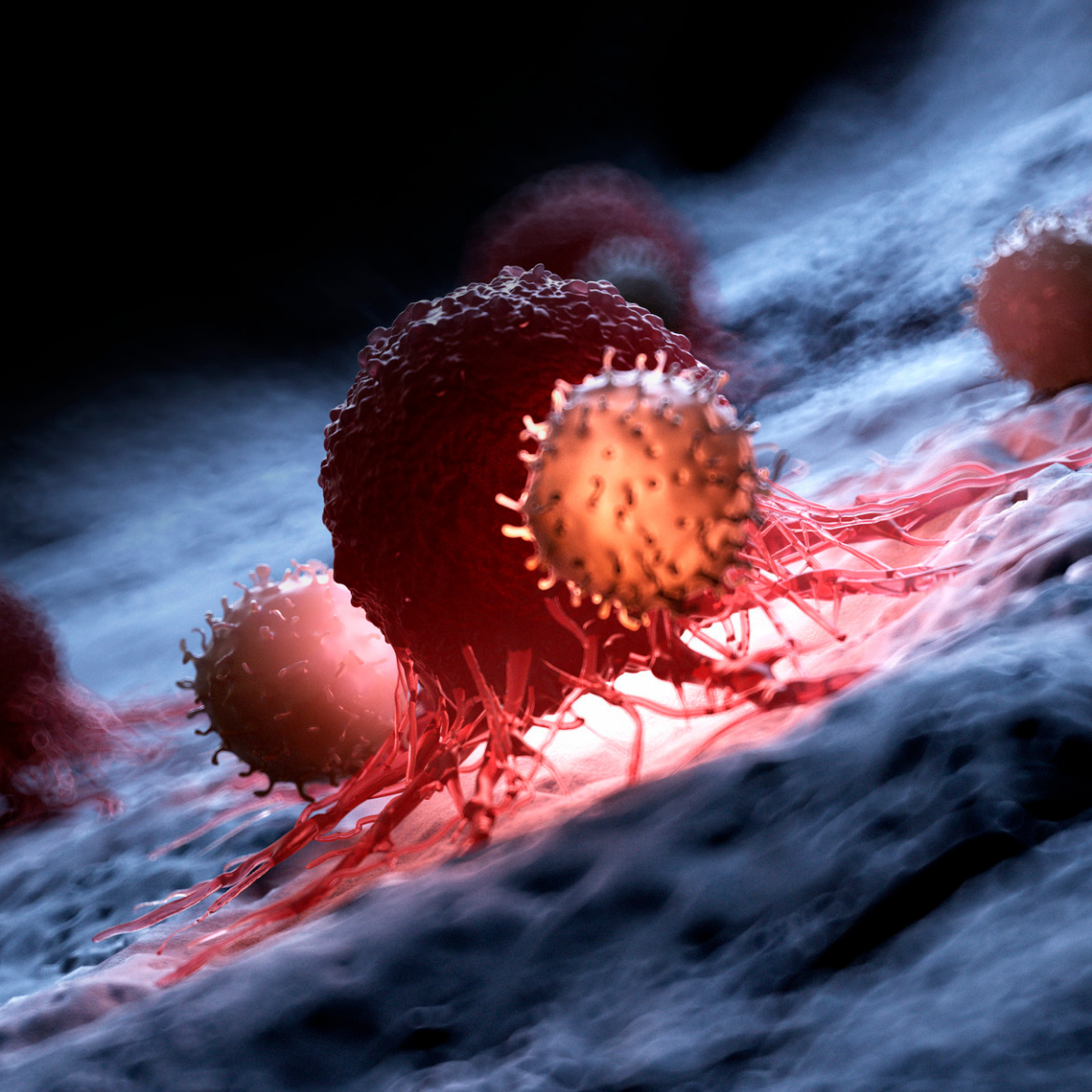
Tumour-associated macrophages (TAMs) are the main immune cells in the tumour microenvironment, with high plasticity allowing phenotype shifts between pro- and antitumor states. Interferon signalling, including tumour DNA–induced cGAS/STING-mediated IFN-β production, is critical for macrophage activation and antitumor immunity, but efficient global mechanisms for antitumor reprogramming remain unclear. Transfer RNA (tRNA) N1-methyladenine (m1A) modification, installed by TRMT61A/TRMT6 and removed by ALKBH1/3, regulates translation and early immune responses. Dysregulated m1A methyltransferases are observed in multiple cancers, promoting tumorigenesis via translational control and metabolic pathways. Emerging evidence links m1A expression with immunosuppressive cell infiltration, raising questions about its role in TAM function, phenotype, and tumour immunity. Here, the authors investigate this links further.
Using conditional Trmt61a knockout mice, researchers found that loss of Trmt61a in macrophages accelerates tumour growth in colon and melanoma models, without altering the proportions of different TAM subsets. Mechanistically, Trmt61a is essential for inflammatory and interferon responses, primarily by promoting translation of STING, a key mediator of antitumor immunity, without affecting tRNA abundance or mRNA levels. Codon-specific tRNA m1A modification facilitates efficient STING protein synthesis, enhancing STING-TBK1-IFN-β signalling in macrophages. Extending these findings to human systems, overexpression of TRMT61A in CAR-iPSC-derived macrophages (CAR-iMACs) increased IFN-β secretion and tumour-killing capacity in vitro, while TRMT61A knockdown reduced antitumor activity. In vivo, TRMT61A-overexpressing CAR-iMACs robustly suppressed human ovarian and pancreatic tumours and prolonged survival in NSG mice, highlighting tRNA m1A modification as a promising target for macrophage-based cancer immunotherapy.
Learn more about EIRNABio’s ribosome profiling and polysome profiling services here.
Stress granule assembly impairs macrophage efferocytosis to aggravate allergic rhinitis in mice
Nature Communications, 2025.
Zhou, Y., Yang, Z., Wang, Y., Dong, Y., Wang, T., Li, Y., Liang, C., Liu, Y., Li, Z., Liu, S., Gui, L., Fan, Y., Lei, T., Jia, K., Zhang, L., Wang, M., Nie, W., Chen, L., Ma, M., Wu, Y., Zhong, C., Liu, H., and Hou, J.
Stress granules (SGs) are cytoplasmic, membraneless organelles that form under cellular stress via liquid–liquid phase separation, leading to translational arrest and coordinated stress responses. Centred on the RNA-binding scaffold protein G3BP1, SGs are implicated in antiviral immunity, neurodegeneration, and cancer, but their role in upper respiratory diseases remains unexplored. The nasal mucosa, a primary barrier exposed to environmental stressors, is central to allergic rhinitis (AR), a prevalent Th2-driven inflammatory disease involving diverse innate and adaptive immune cells, including macrophages. Given this constant stress exposure, SG assembly may occur in nasal tissues and influence AR progression. Additionally, macrophage efferocytosis—the clearance of dying cells via “eat-me” signals to limit inflammation—may play an underappreciated role in regulating immune tolerance in AR, warranting further investigation.
Here, the authors reveal a previously unrecognized role for stress granules (SGs) in driving allergic rhinitis (AR) through macrophage dysfunction. In mouse models of AR, SGs form prominently in nasal mucosa macrophages—rather than lymphocytes or granulocytes—via the G3BP1 scaffold in response to allergen and oxidative stress. Macrophage-specific deletion of G3bp1 reduces SG formation, alleviates AR symptoms, dampens Th2 inflammation, and enhances resolution-associated macrophage phenotypes. Mechanistically, SG assembly suppresses macrophage efferocytosis by selectively inhibiting translation of the efferocytosis receptor LRP1. Under stress, internally m7G-modified Lrp1 mRNA is recognized by the m7G reader QKI7 and sequestered into SGs, reducing LRP1 protein without altering mRNA levels. Genetic deletion of Lrp1 in macrophages exacerbates AR and abolishes the protective effect of G3bp1 loss, confirming LRP1 as the key downstream effector. Importantly, pharmacological inhibition of SG assembly restores LRP1 expression, improves efferocytosis, and mitigates AR in mice. SGs were also detected in nasal macrophages from human AR patients, highlighting translational relevance.
Learn more about EIRNABio’s polysome profiling services here.