Translatomics for microproteins, C. elegans, H. volcanii

Recent Publications Harnessing the Power of Translatomics
Every week we provide a digest of a small number of recent interesting papers in the field of translatomics.
In this week’s Sunday papers,
- Reyes Loaiciga et al. leveraged ribosome profiling datasets from SmProt to catalog ~20,000 candidate small encoded peptides in yeast.
- Zhao et al. apply ribosome profiling to investigate how elongation inhibition reshapes translation dynamics in elegans.
- Dallon et al. used RNA-seq and ribosome profiling in H. volcanii to dissect translational regulation.
Comprehensive profiling of ribo-seq detected small sequences in yeast reveals robust conservation patterns and their potential mechanisms of origin
BMC Genomics, 2025
Reyes Loaiciga, C., Li, W., Zhao, X.Q. and Li, J.
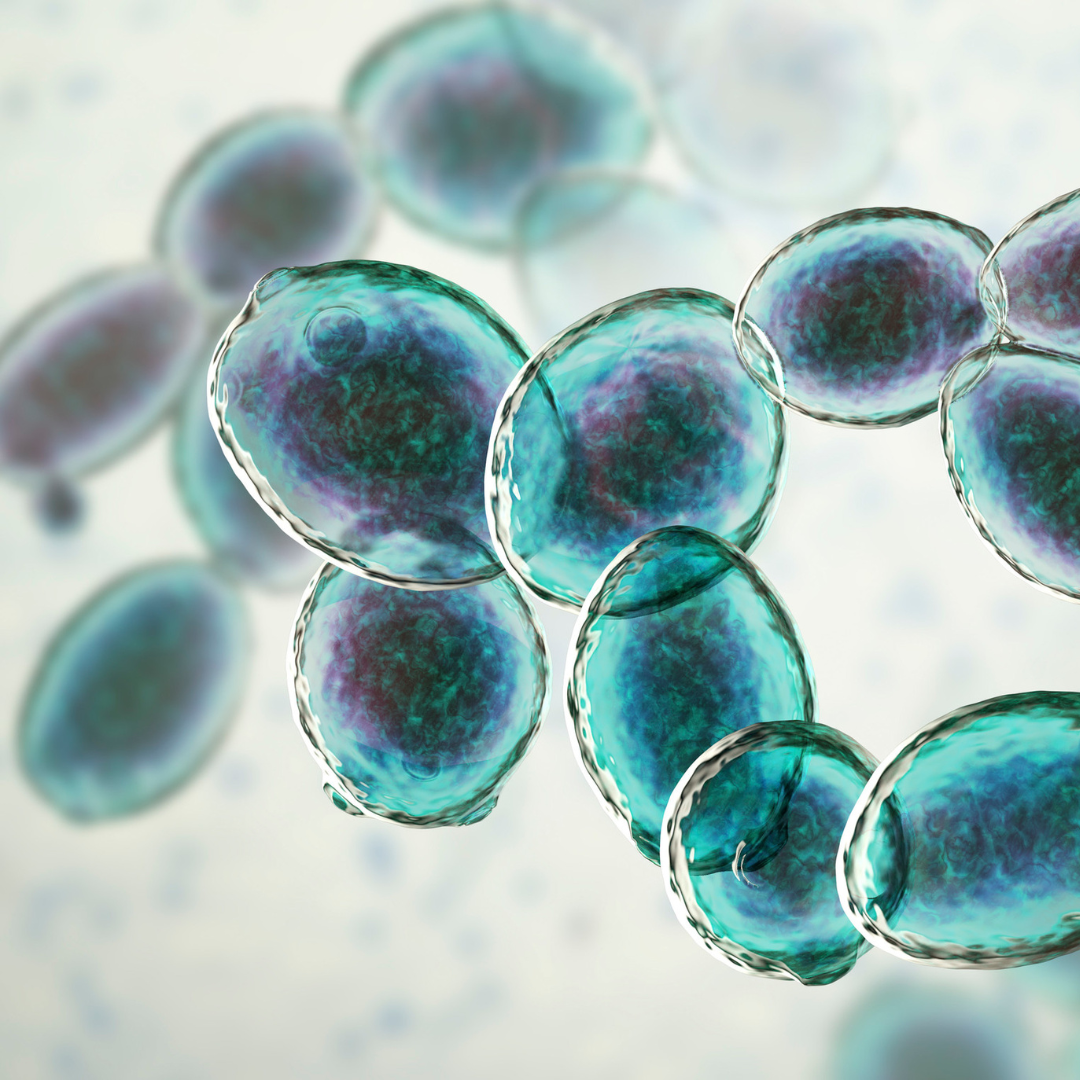
For decades, protein-coding genes were defined by long open reading frames (>100 amino acids), while shorter ones were often ignored as nonfunctional noise. Advances in ribosome profiling (ribo-seq) have challenged this view by sequencing ribosome-protected RNA fragments to capture which transcripts are actively translated. This method has revealed that numerous small open reading frames (sORFs) generate microproteins, or small encoded peptides (SEPs, <100 amino acids), with regulatory and physiological roles. In Saccharomyces cerevisiae, a model system for eukaryotic biology, ribo-seq enables systematic detection of these hidden translation events and provides a framework to study their evolutionary origins. Here, the authors leveraged ribo-seq datasets from SmProt to catalog ~20,000 candidate SEPs in yeast. Through comparative genomics across 17 fungal species, they assessed evolutionary conservation and potential mechanisms of emergence.
Of these candidates, 1,645 showed conservation signals, and 1,134 were nonredundant, previously unannotated SEPs. Many exhibited features consistent with functionality, such as purifying selection and nucleotide composition resembling canonical proteins. Interestingly, most SEPs had homology only detectable via TBLASTN to unannotated regions in related fungi, highlighting how many microproteins remain hidden in current annotations. Conservation ranged from species-specific sequences to those extending across diverse fungal lineages. Analysis of S. cerevisiae–unique SEPs suggested that mutational changes in start codons were the most frequent mechanism of origin. Overall, this work demonstrates that ribo-seq uncovers a “transient translatome” of small peptides that are not mere noise but may represent functional innovations. Ribosome profiling thus provides a critical tool for exploring de novo gene birth and the evolutionary dynamics of microproteins in yeast.
Learn more about EIRNABio’s ribosome profiling services here.
Cycloheximide resistant ribosomes reveal adaptive translation dynamics in C. elegans
Genetics, 2025
Zhao, Q., Bolton, B., Rothe, R., Tachibana, R., Cenik, C. and Sarinay Cenik, E.

Translation regulation is central to how cells respond to stress, control development, and fine-tune gene expression. Among the steps of protein synthesis, elongation is especially sensitive to stresses or pharmacological disruption, but we know less about how organisms cope with elongation perturbations in vivo. In this study, Zhao et al. identified a single amino acid substitution (P55Q) in the ribosomal protein RPL-36A of C. elegans, which renders ribosomes resistant to high concentrations of cycloheximide (CHX) — a drug that ordinarily inhibits translation elongation. Heterozygous animals carrying wild-type and P55Q alleles develop normally but show intermediate CHX resistance, indicating a partial dominance of the resistant allele. Using these heterozygotes, which host a mixture of CHX-sensitive and CHX-resistant ribosomes, the authors apply ribosome profiling to investigate how elongation inhibition reshapes translation dynamics.
Under CHX treatment, they observe increased ribosome occupancy at start codons, suggesting that sensitive ribosomes stall early after initiation. They also detect fewer ribosome collisions, consistent with fewer ribosomes progressing along mRNAs and thus less crowding. Intriguingly, chronic CHX exposure does not trigger canonical stress pathways: markers of ribosome quality control, integrated stress response, or ribotoxic stress were unchanged. Instead, RNA-normalized ribosome footprinting reveals gene-specific shifts in translation efficiency: genes tied to nucleolar function and P granules are downregulated at the translation level, while oogenesis and germline-development genes are relatively upregulated. Phenotypically, treated L4 stage worms show premature oogenesis, implying that even partial elongation inhibition can reprogram translational priorities and influence developmental timing.
Learn more about EIRNABio’s ribosome profiling services here.
Investigation of the global translational response to oxidative stress in the model archaeon Haloferax volcanii reveals untranslated small RNAs with ribosome occupancy
Msphere, 2025
Dallon, E., Moran, H.M., Chidambaran, S.R., Kian, A., Huang, B.Y., Fried, S.D. and DiRuggiero, J.
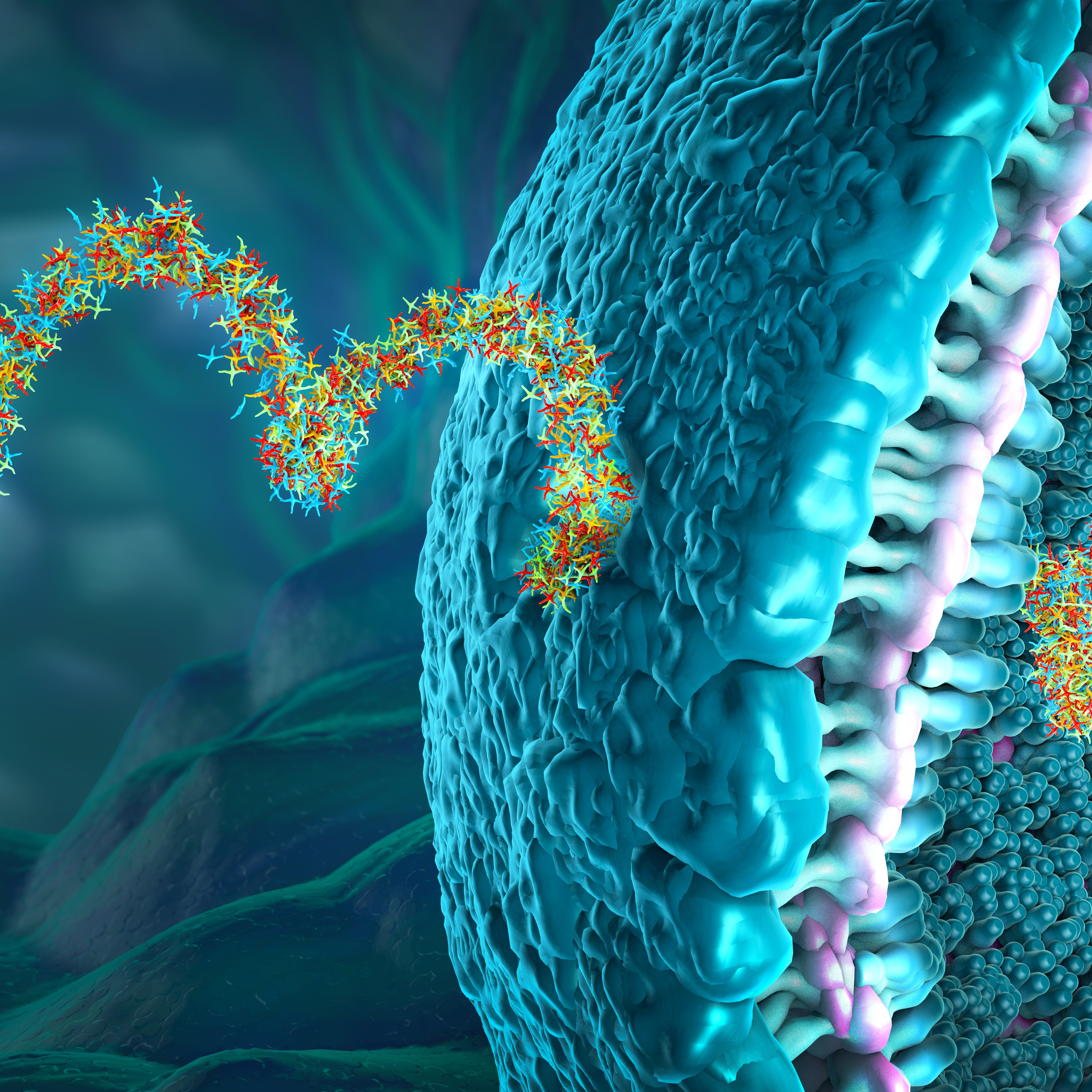
Cells encountering oxidative stress must reprogram gene expression at multiple levels (transcription, RNA stability, translation) to survive damage. While many organisms have been studied in bacteria and eukaryotes, the translation-level response in archaea is less well understood. Ribosome profiling (ribo-seq) can reveal which RNAs are engaged in translation and how ribosome occupancy and translation efficiency (TE) change under different conditions. In archaea such as Haloferax volcanii, which often employ leaderless transcripts, ribo-seq can shed light on initiation modes, elongation dynamics, and novel translation events. In this work, Dallon et al. used RNA-seq and ribosome profiling in H. volcanii under control versus oxidative stress (H₂O₂ treatment) to dissect translational regulation. They identified 281 genes whose translation efficiency changed significantly under stress. Among those downregulated at the translational level were ribosomal proteins, translation factors, peroxidases, and TCA cycle genes, implying that core translation machinery and metabolism are suppressed.
In contrast, genes encoding membrane transporters and proteases tended to exhibit increased TE, highlighting a shift in priorities toward membrane maintenance and proteostasis. A striking finding was the discovery of 42 small noncoding RNAs (sRNAs) that nevertheless showed ribosome occupancy. These sRNAs, although lacking clear protein-coding potential, had ribosome footprints whose size distributions sometimes matched those of canonical coding RNAs. For 12 of these sRNAs, ribosome occupancy or TE changed under oxidative stress. Mass spectrometry validated the existence of seven small proteins arising from such sRNAs, indicating that a subset may indeed encode peptides. These results indicate that translational control is a key layer of adaptation in archaeal oxidative stress response, and they raise intriguing possibilities for regulatory roles of noncoding RNAs engaged by ribosomes, possibly as dual-function RNAs or under-appreciated micropeptides.
Learn more about EIRNABio’s ribosome profiling services here.