Blog

Comprehensive Guide to Ribosome Profiling

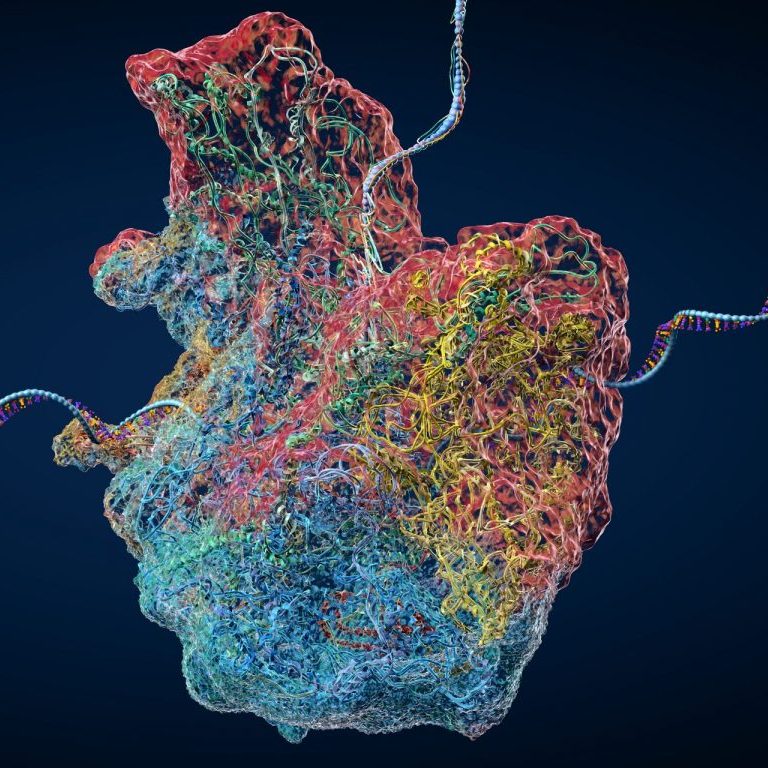
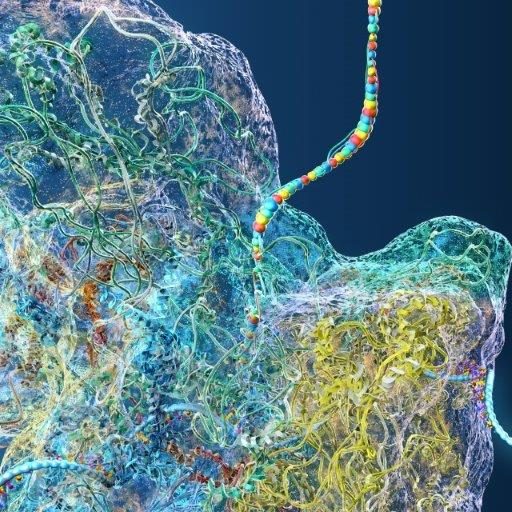
1. Introduction Ribosome Profiling (Ribo-seq) is a deep-sequencing technique developed by Nicholas Ingolia and Jonathan Weissman that facilitates a genome-wide view of translation in vivo (1).  This technique is based on the principle that translating ribosomes cover a short stretch of mRNA (~30 nucleotides) that is resistant to RNase degradation (2) commonly referred to as the […]
Understanding Viral-Host Interactions with Translatomics

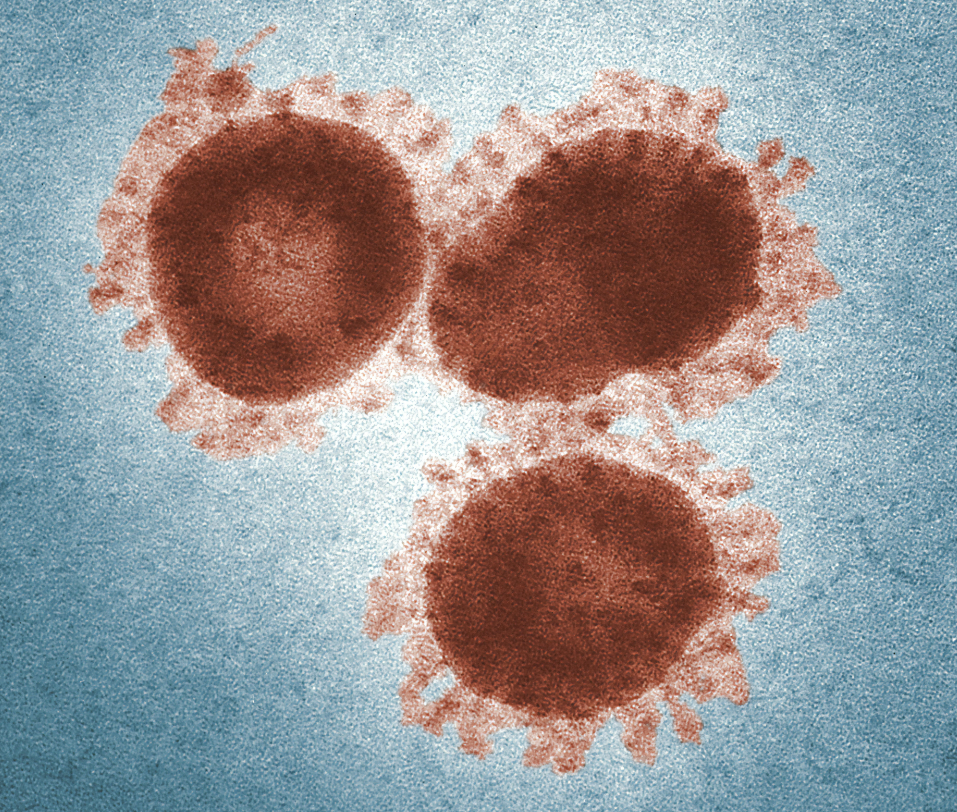
Translation within the context of viral-host interaction is a crucially important factor in determining the propagation of the invading pathogen. Due to their lack of cellular organelles, it is a requirement upon most viruses to hijack host machinery, in particular the translational apparatus such as the ribosomes. This feature of viral infection means ribosome profiling […]

Optimizing Biotherapeutic Protein Yields with Translatomics

The primary determinants for successful recombinant protein expression are high expression levels of the recombinant genes, translation efficacy and post-translational modifications. Transcriptomic and proteomic tools have helped in our understanding of the molecular basis of protein expression. However, while RNA-Seq provides insight into transcription it fails to take into consideration that translational control of mRNA […]

Ribosome Pausing: Mechanisms and Implications in Translation

The process of translation is characterized by variation in the local decoding rates of specific mRNA codons. There are known cases where pausing or stalling is used for regulating protein synthesis. These are frequently found in the translated ORFs in 5’UTRs whereby the paused ribosome  alters the progression of ribosomes to the CDS.  Ribosome pausing has […]

Translation Elongation Rates: Insights and Implications

In order to maintain a healthy proteome, the ribosome must not only generate sequences of peptides in sufficient quantities to serve their biological purpose but must also ensure that these polymers correctly fold into their native structures to yield fully functional proteins. Somewhat counter-intuitively, these mutually beneficial processes of protein synthesis and folding are favoured […]