
10 Questions with Dr. Finosh G. Thankam
Q1. Who inspired you to become a scientist?
Dr. A.P.J. Abdul Kalam, the “Missile Man of India,” inspired me deeply with his vision, interaction with school kids, humility, passion and dedication to science and humanity. His journey from modest beginnings to becoming a world-renowned scientist and President of India taught me that hard work, perseverance, and passion are the keys to fulfilment of dreams. His teachings that science should serve society motivated me to pursue research as a mission to contribute for the well-being of the planet fuelled me to establish a research career in bioengineering.
Q2. What drives your research interest?
My research interest is driven by the urgent unmet need to address the global burden of cardiovascular diseases, which takes millions of lives every year. The heart has a limited capacity for self-repair, and current therapies often fall short of restoring full function following an injury/disease. This challenge motivates me to explore cardiac bioengineering, with a special focus on harnessing endogenous stem cells. Manipulating the inherent regenerative potential of heart, I aim to develop minimally invasive, biomaterial-guided therapies that restore heart function and improve patient outcomes.
Q3. What is your current research focus?
My research aims to advance the field of cardiac regeneration by integrating biomaterials, stem cell biology, large animal models, and molecular cardiology. Focusing on epicardial adipose tissue-derived stromal cells (EATDS) and left ventricular stromal cells (LVSCs), I have established their unique regenerative potential at single cell resolution based on cardiac differentiation potential. Engineering cardiomimetic hydrogels, my lab focuses on injectable platforms to enhance repair. My research explores myocardial injury, regenerative pathways, and stem cell–derived secretomes using clinically relevant swine models. My long-term goal is to translate these findings into minimally invasive cardiac therapies.
Q4. Who are your current scientific influences?
My current scientific influences owe to those who contributed for the advancement of knowledge and an unwavering commitment to humankind. I am driven by thinkers, philosophers and researchers who challenged the scientific boundaries, translated ideas/thoughts/discoveries into meaningful applications, and dedicated their life to improving the planet.
Q5. If you hadn’t become a scientist, what would your dream job be?
If I hadn’t become a scientist, I would be a middle school teacher. I am passionate in nurturing curiosity and inspiring young minds to explore the wonders of world through science and education. Teaching formative age groups would give me the opportunity to spark interest, ignite their curiosity, and encourage creativity and passion learning. I believe, training school students to become visionaries and best citizens would be incredibly fulfilling and impactful for a better tomorrow.
Q6. What are your hobbies?
Reading, walking, sky watching.
Q7. What books influenced you the most?
Wings of fire by Dr. APJ, Sidhartha by Hermen Hesse, The Pilgrimage by Paulo Coelho, Gitanjali by Rabindra Nath Tagore and many others.
Q8. What are your favourite movies?
The Miracle Season, The Gladiator, Apocalypto, I Feel Pretty, The Passion of Christ, and Troy.
Q9. What advice would you give your 18-year old self?
My advice would be to dream high and pursue the dreams with passion and heart. Success will not be easy, failures are inevitable. Turn failures to realization and think differently to use as lessons to refine your path. Hard work integrated with smart approaches, powered by intense passion, will create opportunities beyond your imagination. Believe in yourself, move forward with courage. Let nature conspires for your success.
Q10. What, in your opinion, is the “next big thing” in the field of scientific research?
The “next big thing” in scientific research will be the integration of precision medicine, regenerative therapies, and early diagnosis of diseases. Advances in multiomics, and artificial intelligence are contributing to highly personalized diagnostics ensuring presymptomatic detection of diseases. Recent developments in regenerative medicine including, cell reprograming, biologics/cell–based therapies and bioengineered/artificial tissues/organs offer immense promise to transform healthcare.
About Dr. Finosh G. Thankam
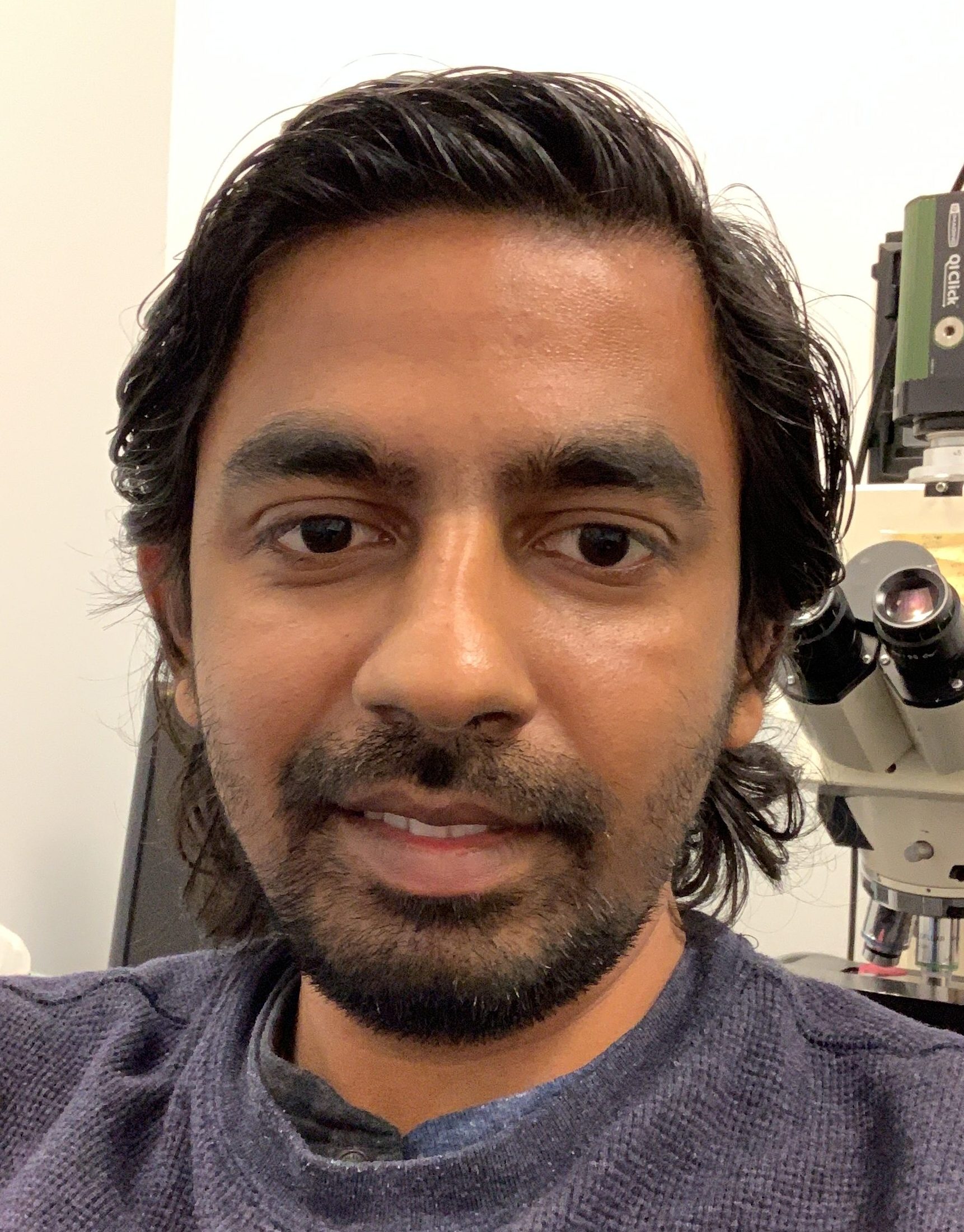
Dr. Finosh Thankam is an Assistant Professor for Tissue Engineering and Regenerative Medicine at College of Osteopathic Medicine of the Pacific (COMP) Western University of Health Sciences (WUHS), Pomona, California, United States.