


A Deeper Understanding of Gene Translation
Traditional transcriptomics paired with translatomics approaches, such as ribosome profiling (Ribo-seq), have expanded the insights gained from gene expression and protein synthesis. However, tRNAs remains an underappreciated source of gene regulation. Abundance, modifications and aminoacylation status of tRNAs all play a role in the fine-tuning of translation, influencing both protein synthesis efficiency and fidelity. An inability to precisely quantify tRNA populations can hinder our understanding of translational regulation, potentially leading to misinterpretation of the mechanisms driving cellular responses. This, in turn, can lead to inefficiencies in drug discovery and preclinical development.
tRNA Sequencing: Illuminating the Functional tRNA Landscape
tRNA sequencing (tRNA-seq) enables comprehensive profiling of the tRNA landscape in cells, capturing information on tRNA abundance, post-transcriptional modifications, and aminoacylation (or charging) status. By leveraging tRNA-seq, researchers can gain a better understanding of how tRNA populations change under different conditions, leveraging the potential of these molecules for new therapeutic interventions and personalized medicine strategies. tRNA-seq has become an essential tool for understanding the complexity of gene translation, particularly in disease states where translational regulation is disrupted.
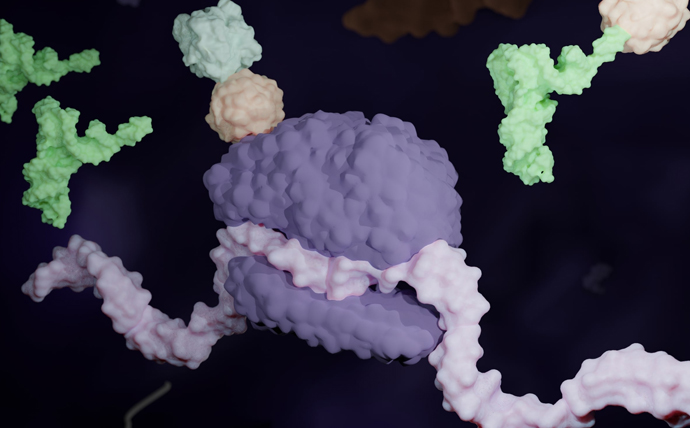

What is tRNA Sequencing?
tRNA-seq is a next-generation sequencing technique that provides quantitative insights into tRNA abundance, in addition to aminoacylation levels and modifications within cells. This method overcomes many of the technical challenges traditionally associated with tRNA research, such as difficulties arising from the stable secondary structure of tRNAs and the pervasive modifications that hinder standard RNA sequencing techniques. tRNA-seq not only measures the total abundance of different tRNA species but also identifies the position of critical modifications that regulate their stability and function. By doing so, the approach reveals how cells adapt their translation machinery in response to different physiological and pathological states.
Key Benefits
- Quantify tRNA expression and charging status to assess translational capacity and amino acid availability.
- Resolve tRNA modifications at nucleotide resolution, revealing regulatory marks that influence stability and decoding efficiency.
- Link tRNA levels to translational control, uncovering adaptive responses across physiological and disease states.
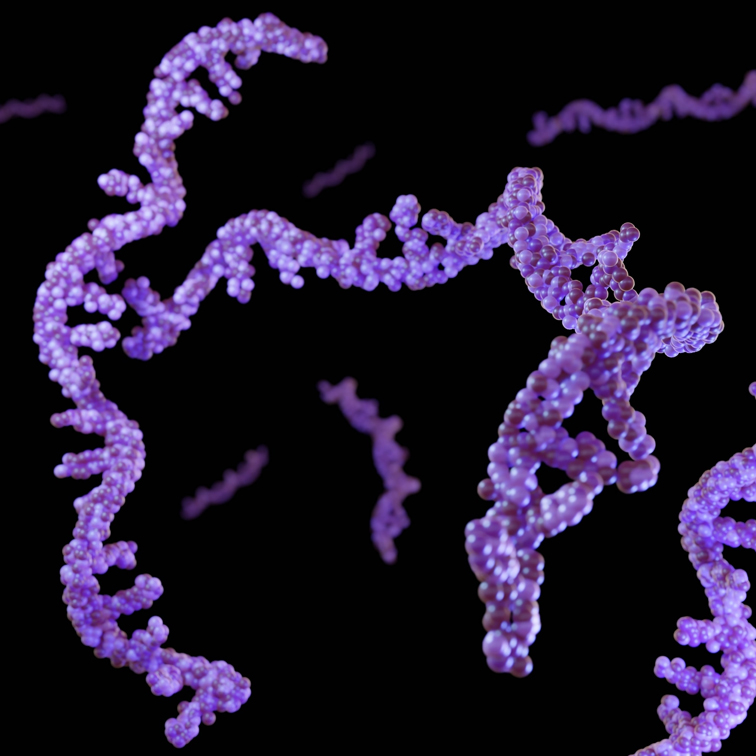
Key Features of tRNA Sequencing
Quantitative Profiling
tRNA-seq provides high-resolution quantification of tRNA abundance levels, enabling comparisons across cell types, tissues, or treatment conditions, revealing how tRNA pools are dynamically regulated.
Modification Detection
Our approach also captures the positions of post-transcriptional modifications that influence tRNA stability and function, such as N1-methylguanosine (m1G), N1-methyladenosine (m1A) and N3 methylcytosine (m3C). This allows researchers to gain insights into the impact of modifications on translation fidelity and efficiency.
Aminoacylation Status
The technology can also be used to measure the fraction of aminoacylated tRNAs (charged tRNAs), providing insights into the functional availability of tRNAs for translation. This is crucial for understanding the impact of translational regulation on protein synthesis.
Broad Applicability
tRNA-seq is applicable to a wide variety of biological contexts, from studying basic mechanisms of gene expression regulation to exploring disease models such as cancer and neurodegenerative disorders.
Challenges Associated with tRNA Sequencing
Data Generation
Despite its potential, tRNA-seq presents certain technical and analytical challenges that have limited its widespread adoption.
Challenge 1
Complex Protocol: Producing high-quality tRNA-seq data demands specialized skills to overcome challenges posed by RNA secondary structures and nucleotide modifications. Precise optimization of steps like adapter ligation and reverse transcription is essential for accurate results.
Challenge 2
Technical Artifacts: tRNA modifications often cause reverse transcriptase stalling or base misincorporation, resulting in sequencing errors. Advanced computational tools are essential to correct mismatches and extract valuable positional information on nucleotide modifications.
Solution 1
Solution 1
Expertise: Our team’s expertise in tRNA biology and sequencing technology enables customized tRNA-seq services. We optimize protocols to deliver high-quality, reliable data precisely tailored to meet each customer’s unique research requirements and goals.
Solution 2
State-of-the-Art Methods: Our cutting-edge approach eliminates the need for linker ligation, enabling full-length tRNA capture and comprehensive profiling with greater accuracy and efficiency compared to traditional sequencing techniques.
Challenge 2
Technical Artifacts: tRNA modifications often cause reverse transcriptase stalling or base misincorporation, resulting in sequencing errors. Advanced computational tools are essential to correct mismatches and extract valuable positional information on nucleotide modifications.
Solution 2
State-of-the-Art Methods: Our cutting-edge approach eliminates the need for linker ligation, enabling full-length tRNA capture and comprehensive profiling with greater accuracy and efficiency compared to traditional sequencing techniques.

Data Analysis
Challenge 1
Complex Datasets: tRNA-seq generates complex datasets that are difficult to analyze due to tRNA modifications and high sequence similarity, requiring specialized tools to accurately interpret abundance and modification patterns.
Challenge 2
High sequence similarity: High sequence similarity among tRNAs complicates distinguishing isoacceptors and isodecoders, making accurate identification and analysis of individual tRNA species a significant challenge in tRNA-seq data interpretation.
Challenge 3
Modification Complexity: Post-transcriptional modifications like m1G, m1A, and m3C hinder read mapping and accurate tRNA quantification, requiring specialized computational tools and strategies to correctly interpret sequencing data.
Solution 1
Solution 1
Advanced Algorithms: Our computational toolkit integrates analysis of tRNA abundance, aminoacylation, and modifications, using advanced alignment and modification-aware algorithms to deliver precise read mapping and reliable quantification for deeper biological insights.
Solution 2
Dedicated mapping strategy: We utilise a best-practice two-round alignment strategy that efficiently removes the majority of mapping artefacts introduced by simpler mapping schemes and makes it possible to reliably identify individual isoacceptors and isodecoders.
Solution 3
Specialized pipelines: We use specialized computational pipelines and algorithms that accurately account for post-transcriptional modifications, ensuring precise read alignment and reliable quantification of tRNAs despite modification-induced sequencing obstacles.
Challenge 2
High sequence similarity: High sequence similarity among tRNAs complicates distinguishing isoacceptors and isodecoders, making accurate identification and analysis of individual tRNA species a significant challenge in tRNA-seq data interpretation.
Solution 2
Dedicated mapping strategy: We utilise best-practice alignment strategy with subsequent mappings filtering artefacts introduced by simpler mapping schemes and makes it possible to reliably identify individual isoacceptors and isodecoders.
Challenge 3
Modification Complexity: Post-transcriptional modifications like m1G, m1A, and m3C hinder read mapping and accurate tRNA quantification, requiring specialized computational tools and strategies to correctly interpret sequencing data.
Solution 3
Specialized pipelines: We use specialized computational pipelines and algorithms that accurately account for post-transcriptional modifications, ensuring precise read alignment and reliable quantification of tRNAs despite modification-induced sequencing obstacles.
Application Areas
Codon Optimization
tRNA-Seq enables researchers to decode how tRNA abundance, modifications, and aminoacylation influence codon optimisation. This advanced method aligns codon usage with tRNA availability, revealing translational bottlenecks and strategies to enhance protein synthesis efficiency. Learn More
Nonsense Suppression/
Readthrough
tRNA-Seq uncovers translational mechanisms behind nonsense suppression and stop codon readthrough by mapping tRNA abundance, modifications, and decoding efficiency.
Learn More
tRNA Sequencing Services FAQ
What is tRNA sequencing and how does it work?
tRNA sequencing is a next-generation sequencing approach that provides comprehensive profiling of tRNA populations in cells, capturing not only their abundance, but aminoacylation status and positional information for post-transcriptional modifications as well. This method allows researchers to study the role of tRNAs in translational regulation and their contribution to cellular responses.
How is tRNA sequencing different from other RNA sequencing methods?
While traditional RNA sequencing methods focus on mRNA and other non-coding RNAs, tRNA sequencing is specifically designed to capture the unique features of tRNAs, such as aminoacylation status and the location of RNA modifications. This provides a level of insight into the workings of the translation machinery that cannot be obtained from standard RNA-seq.
What are the key applications of tRNA sequencing?
tRNA-seq can be used to explore translational regulation, disease mechanisms, aminoacylation dynamics, and biomarker discovery. It is particularly valuable for understanding how changes in tRNA populations affect protein synthesis and cellular function.
How can tRNA sequencing support advancements in gene editing and gene therapies?
tRNA sequencing provides critical insights into the functional processes of the translational machinery of cells, which is essential for optimizing gene editing and gene therapies. By understanding how tRNA dynamics influence codon usage and translation efficiency, researchers can fine-tune therapeutic approaches. Additionally, this technology supports the development of ATMP (Advanced Therapy Medicinal Products) by providing precise data on cellular translation mechanisms that are pivotal in regenerative and personalized medicine.
How does EIRNABio support tRNA sequencing projects?
We provide end-to-end support, including experiment design, library preparation, sequencing, and data analysis. Our bioinformatics services include advanced computational analysis and data visualization to ensure that researchers gain meaningful insights from their tRNA-seq datasets.
How do I get started with EIRNABio’s tRNA sequencing services?
Contact us to discuss your project needs. We offer tailored solutions to fit your research goals, whether you are investigating tRNA dynamics in disease models or exploring translational regulation.

Speak to an expert!