Translatomics for poly(A), rG4s, and Eif5a

Recent Publications Harnessing the Power of Translatomics
Every week we provide a digest of a small number of recent interesting papers in the field of translatomics.
In this week’s Sunday papers,
- Yang et al. demonstrate MARTRE inhibits CCR4-NOT deadenylation, preserving maternal poly(A) tails to sustain embryonic translation
- Lu et al. uncover dynamic RNA G-quadruplex resolution is essential for maternal mRNA translation during oocyte maturation
- Piol et al. reveal axon-specific EIF5A hypusination defects drive translation impairments in mutant FUS ALS neurons.
MARTRE family proteins negatively regulate CCR4-NOT activity to protect poly (A) tail length and promote translation of maternal mRNA
Nature Communications, 2025.
Yang, J., Bu, J., Liu, B., Liu, Y., Zhang, Z., Li, Z., Lu, F., Zhu, B. and Li, Y.
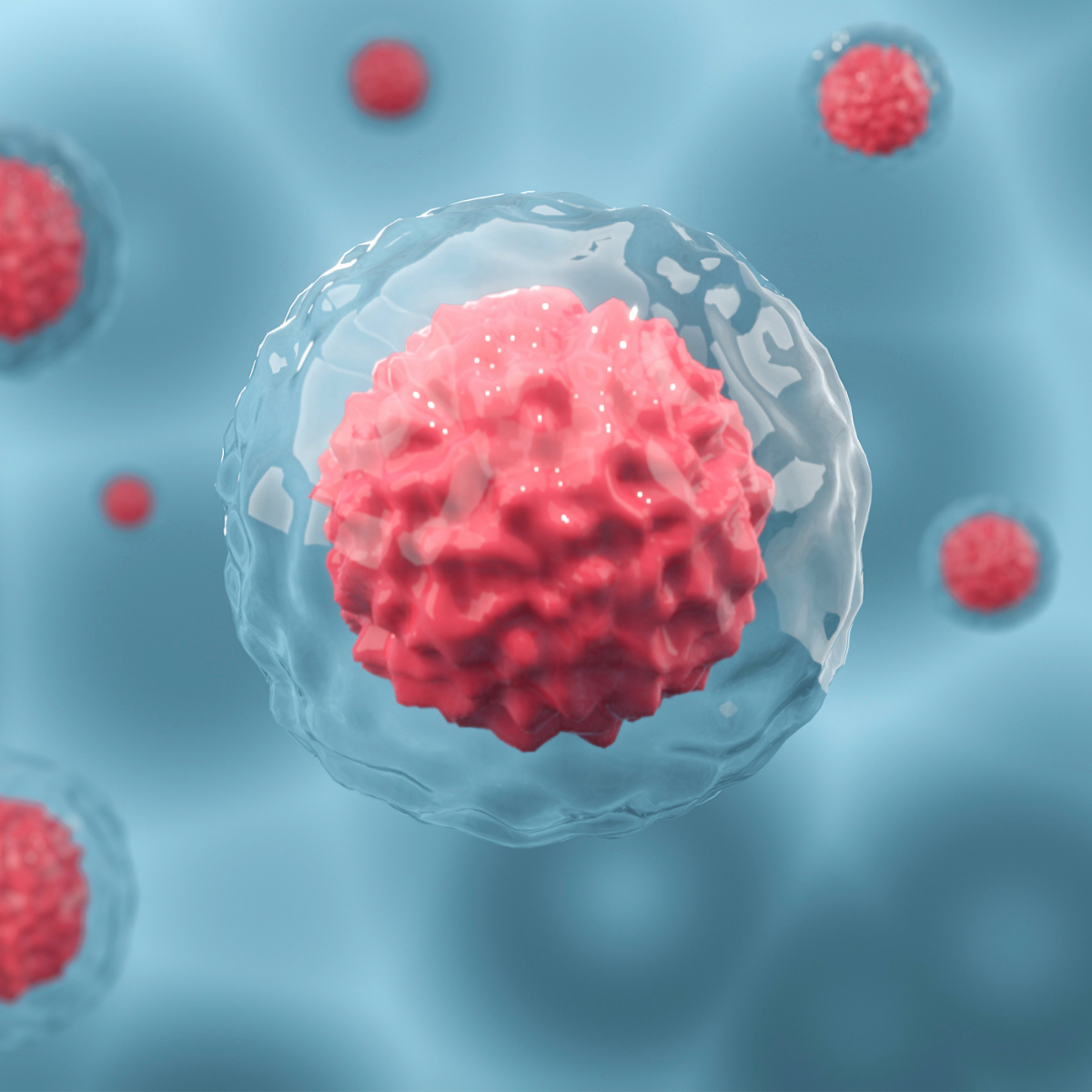
Early animal embryogenesis relies heavily on post-transcriptional regulation, as embryos must generate proteins from a finite pool of maternal mRNAs in the absence of new transcription. During the oocyte-to-embryo transition (OET), maternal mRNAs are dynamically activated for translation while simultaneously undergoing degradation. Central to this regulation is the mRNA poly(A) tail, whose length strongly correlates with translation efficiency across species. Tail elongation, often mediated by CPEB-dependent cytoplasmic polyadenylation, promotes translation, whereas deadenylation by the CCR4-NOT complex drives repression and decay. Recent long-read sequencing has further revealed extensive 3′UTR remodeling and accumulation of partially degraded mRNAs in early embryos, highlighting unappreciated complexity in maternal mRNA regulation. Considering this, the authors aimed to identify novel regulators of the CCR4-NOT complex, that may influence maternal mRNA degradation and translation.
Using a combination of cell-based models, long-read sequencing, ribosome profiling, and mouse genetics, this study identifies MARTRE proteins as key regulators of maternal mRNA fate during early embryogenesis. Affinity purification–mass spectrometry in 2-cell–like cells revealed MARTRE proteins as RNA-independent interactors of the CCR4-NOT deadenylation complex, while PAIso-seq long-read analysis showed that MARTRE1/2 overexpression globally lengthens poly(A) tails and slows mRNA decay, consistent with inhibition of CCR4-NOT activity. Transcriptome correlations, P-body imaging, and in vitro deadenylation assays with purified CCR4-NOT complexes confirmed that MARTRE directly suppresses deadenylation while in vivo deletion of the Martre locus caused delayed progression through the 2-cell stage and defective transcriptome resetting as revealed by single-cell RNA-seq. PAIso-seq analysis in 1-cell embryos showed preferential shortening of long poly(A) tails and loss of intact 3′UTRs. Finally, Ribo-lite profiling linked MARTRE-dependent tail preservation to efficient translation of developmentally critical maternal mRNAs, establishing MARTRE as a key modulator of translational control during the oocyte-to-embryo transition.
Learn more about EIRNABio’s ribosome profiling services here.
RNA G-quadruplex removal promotes a translational switch after meiosis resumption
Nucleic Acids Research, 2025.
Lu, Q.W., Liu, S.Y., Liao, X.Q., Chen, J., Jiang, Z.Y., Wu, Y.K., Fan, H.Y., Lu, Y.J. and Sha, Q.Q.
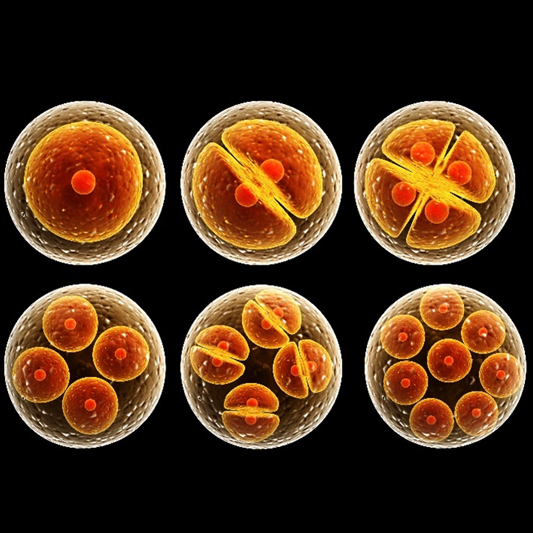
During mammalian oocyte maturation, transcription is silenced and development relies entirely on stored maternal mRNAs, making this process an ideal system to study post-transcriptional regulation. While RNA modifications and RNA helicases are known to influence mRNA stability and translation, the roles of RNA secondary structures remain poorly understood. RNA G-quadruplexes (rG4s), stable guanine-rich structures enriched in mRNA UTRs, can modulate translation and mRNA stability, but their functions have largely been studied in somatic or pathological contexts. Technical limitations have hindered rG4 analysis in low-input cells such as oocytes. In this study, the authors developed an improved low-input LACE-seq approach and used the rG4-specific probe BYBX to profile transcriptome-wide rG4 dynamics during mouse oocyte maturation and to assess the functional consequences of rG4 stabilization.
Using a low-input BG4-LACE-seq approach, the authors mapped RNA G-quadruplexes (rG4s) in mouse oocytes and showed that rG4 density is high at the GV-stage but drops sharply by the MII stage, indicating active rG4 turnover during meiotic maturation. Pharmacological stabilization of rG4s with the rG4-specific ligand BYBX increased rG4 signals genome-wide and caused severe meiotic defects, including abnormal spindle assembly and reduced polar body extrusion, while Ribo-lite profiling revealed a strong reduction in ribosome occupancy and translational efficiency despite unchanged mRNA levels. Reporter assays and biophysical analyses demonstrated that rG4s in the 5′-UTR (e.g. Zar1) block translation initiation, while 3′-UTR rG4s impair maturation-coupled translational activation. Interactome capture showed loss of ribosomal protein and eIF binding after rG4 stabilization. Finally, overexpression of the rG4 helicase DHX36 reduced rG4 accumulation, restored translation of key maternal factors, and partially rescued oocyte maturation, establishing dynamic rG4 resolution as essential for developmental translational control.
Learn more about EIRNABio’s ribosome profiling services here.
Axonal Eif5a hypusination controls local translation and mitigates defects in FUS-ALS
Nature Neuroscience, 2025
Piol, D., Khalil, B., Robberechts, T., Killian, T., Georgopoulou, M., Partel, G., Wouters, D., Hecker, N., Tziortzouda, P., Verresen, Y., Corthout, N., Kint, S., Vandereyken, K., Van Damme, P., Voet, T., Davie, K., Poovathingal, S., Van Den Bosch, L., Aerts, S., Sifrim, A., and Da Cruz, S.

Local mRNA translation is essential for axonal growth, maintenance and regeneration, particularly in motor neurons whose long axons and neuromuscular junctions rely on protein synthesis far from the soma. Transcriptomic studies have identified thousands of axonally localized mRNAs encoding cytoskeletal, mitochondrial and translational components, underscoring the importance of local proteostasis. Defects in this process are implicated in several motor neuron disorders, including ALS. Mutations in the RNA-binding protein FUS, a cause of familial ALS, lead to its aberrant accumulation in axons. These mutants impair local axonal translation and activate stress pathways, contributing to early axonal and synaptic degeneration, although the precise molecular mechanisms remain unclear. Here, the authors aim to investigate such mechanisms.
Using an integrative spatial multi-omics approach, this study dissects axon-specific translational defects in ALS driven by mutant FUS. GeoMx digital spatial transcriptomics combined with immunostaining enabled compartment-resolved profiling of adult mouse motor neuron somas and axons, revealing distinct motor-neuron and motor-axon gene signatures. Spatial transcriptomics, multiplexed smFISH and immunofluorescence validated enrichment of translation-related mRNAs and proteins within axons. Applying this approach to ALS-linked FUSR521H mice uncovered axon-specific dysregulation of translation machinery components, notably factors involved in elongation and ribosome function, without corresponding changes in motor neuron cell bodies. Mechanistically, spatial transcriptomics and protein analyses identified reduced axonal expression of Dohh, leading to impaired hypusination and inactivation of the translation factor EIF5A. Functional assays (puromycin incorporation, MEA recordings, microfluidic axon isolation) showed that spermidine supplementation restores EIF5A hypusination, rescues local axonal translation, and improves axonal growth and neuronal activity. Finally, spermidine ameliorated motor defects in FUS and TDP-43 ALS Drosophila models, highlighting a conserved, axon-specific therapeutic target.
Learn more about EIRNABio’s ribosome profiling services here.