Recent Publications Harnessing the Power of Translatomics
Every week we provide a digest of a small number of recent interesting papers in the field of translatomics.
In this week’s Sunday papers,
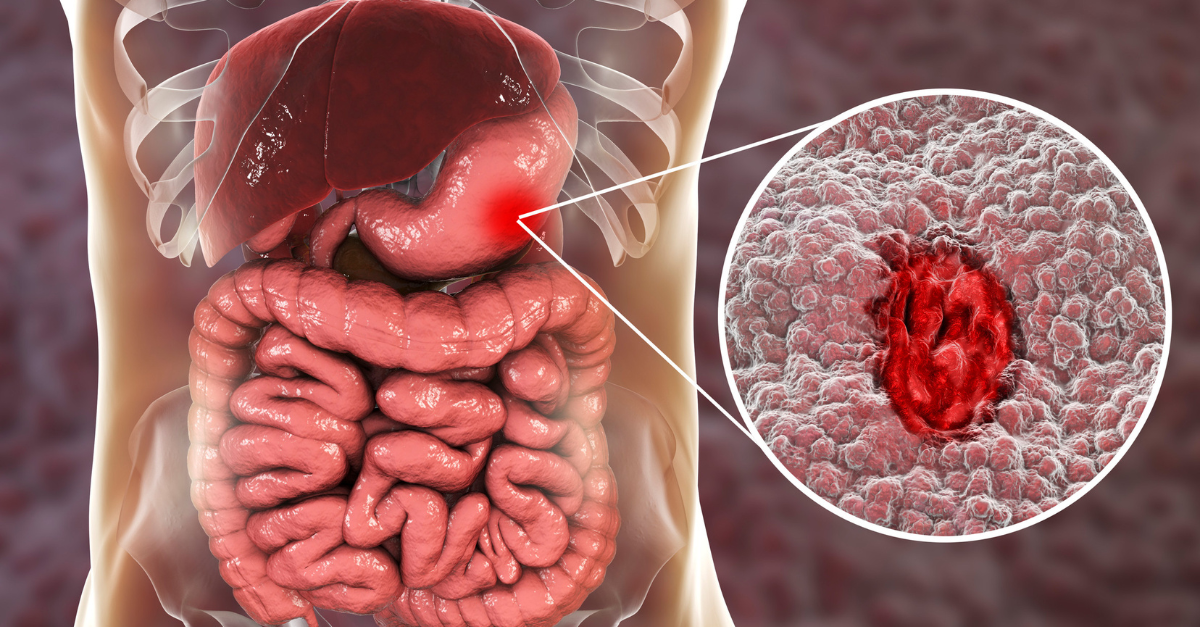
Du et al. show that in vitro, overexpression of circMAP3K13 inhibited gastric cancer cell proliferation.
Zhang et al. identify that arsenic reshapes ETS2 translation landscape in spermatogonial cells.
Hu et al. reveal a high-resolution, dynamic translational landscape in yak ovaries, highlighting the importance of translational regulation in reproductive physiology.
MAP3K13-232aa encoded by circMAP3K13 enhances cisplatin-induced pyroptosis by directly binding to IKKα in gastric adenocarcinoma
Cell Death & Disease, 2025.
Du K., Zhang X., Qin Y., Ma H., Bing C., Deng S., Chen Y., Qin J., Chang S., Xiao S., Peng L., Xie X., Feng X., Fu X., Wei Y., Fan X., Ashktorab H., Smoot D., Jin Z., and Peng Y.
Sunday Paper 1
Du et al. identified a circular RNA, circMAP3K13, that is significantly down-regulated in gastric cancer (GC) tissues compared to normal gastric tissue. Ribo-seq was used to screen for circular RNAs with translation potential in gastric cancer vs normal gastric epithelial cells. By mapping ribosome-protected fragments to back-spliced junctions, Ribo-seq provided direct evidence that circMAP3K13 is not only expressed but also actively engaged by ribosomes. Translation was further validated by IRES reporter assays and detection of a unique peptide by mass spectrometry.
The authors show that circMAP3K13 is translated into a novel 232-amino acid protein, MAP3K13-232aa. Functionally, MAP3K13-232aa binds directly to the kinase domain of IKKα, increasing IKKα kinase activity and thereby activating the NF-κB signaling pathway.
Through NF-κB activation, downstream expression of NLRP3 is up-regulated, which primes the inflammasome machinery. As a result, cells become more susceptible to chemotherapy-induced pyroptosis, especially when treated with cisplatin. In vitro, overexpression of circMAP3K13 or MAP3K13-232aa inhibited GC cell proliferation, migration and invasion; in vivo, overexpression reduced tumor growth and metastasis in mouse models.
In summary, circMAP3K13 via its encoded protein MAP3K13-232aa suppresses gastric cancer progression by activating IKKα/NF-κB, upregulating NLRP3, and sensitizing cells to cisplatin-associated pyroptosis.
Zhang et al. investigated how arsenic exposure promotes senescence in spermatogonia. They exposed GC-1 spermatogonial cells to sodium arsenite and observed classic senescence markers: increased β-galactosidase activity, DNA damage (γ-H2AX), and elevated expression of p16.
Through joint RNA-seq and Ribo-seq, the authors uncovered that arsenic exposure elevated ETS2 translation efficiency by YTHDC2-dependent m6A modification, consistent with selective upregulation at the translational level. Functionally, knockout of ETS2 prevented arsenic-induced upregulation of p21 and blocked the senescence phenotype. In this study, arsenic disrupted mitochondrial metabolism decreasing α-ketoglutarate and depleting NAD⁺, which suppressed SIRT3 activity thereby promoting m6A accumulation and ETS2 translation. Finally, supplementing cells with an NAD⁺ precursor (Nicotinamide mononucleotide) mitigated the effects. It attenuated α-ketoglutarate levels, prevented ETS2 up-regulation, and reduced senescence.
Overall, the study reveals a pathway by which arsenic induces spermatogonial senescence through metabolic disruption, increased m6A-dependent translation of ETS2, and consequent p21-driven cell‐cycle arrest.
The authors used Ribo-seq together with RNA-seq to chart translation-level gene expression in ovarian tissues of Yak across three reproductive stages: anestrus, estrus, and pregnancy.
They found that over 80% of genes showed discordant changes at the transcription vs translation levels, suggesting that transcriptional changes are not always mirrored by changes in translation. Pathway enrichment highlighted PI3K-Akt, MAPK, calcium signaling, and ovarian steroidogenesis, all critical for follicular development, ovulation and luteal cycle changes. In addition, several ovarian genes (e.g., PALB2, BMP7, PIK3R2, and WNT2B) showed dynamic, stage-specific translational behavior. The study also identified 66 small open reading frames (sORFs) with translation potential and examined how translated upstream ORFs (uORFs) relate to the translation efficiency of downstream main ORFs.
Overall, the study reveals a highly dynamic, stage-specific translational landscape in yak ovaries, underscoring the importance of translational regulation, beyond transcription, in reproductive physiology.