Recent Publications Harnessing the Power of Translatomics
Every week we provide a digest of a small number of recent interesting papers in the field of translatomics.
In this week’s Sunday papers,
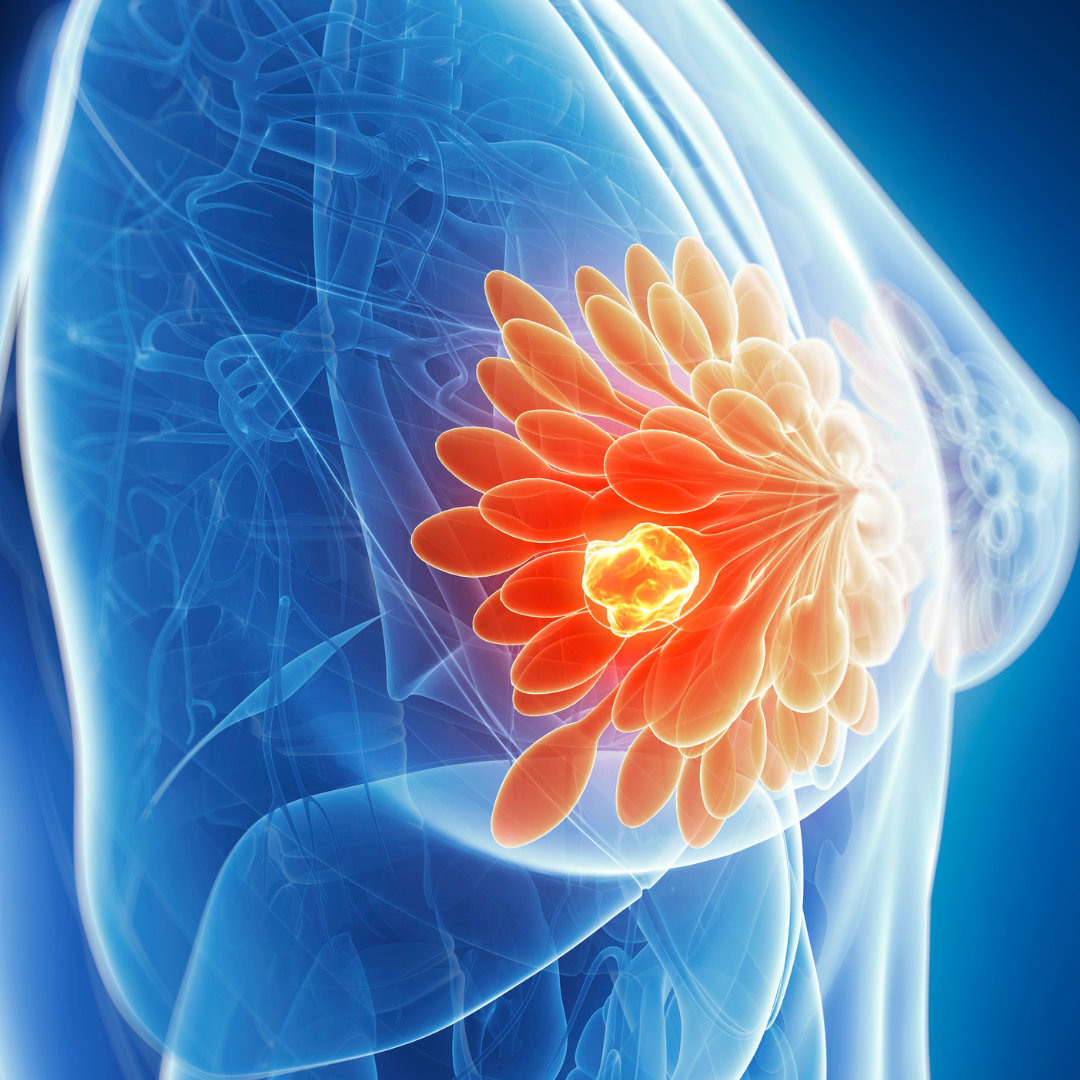
Shan et al. identify crucial functional evidence linking PCDHGB7 to translational repression in TNBC progression.
Shu et al. underline the therapeutic potential of targeting S6K1 as the key driver of autophagy in breast cancer cells.
Liu et al. uncover how LARS1 loss drives chemoresistance in intrahepatic cholangiocarcinoma.
PCDHGB7 inhibits the progression of triple‐negative breast cancer by suppressing XRCC5/MYC‐mediated ribosome biogenesis
Clinical and Translational Medicine. 2025.
Shan, M., Bi, H., Sun, H., Li, Y., Li, Z., Wang, Z., Dong, J., Sang, S., Ren, L., Ye, Y. and Wang, T.
Sunday Paper 1
The study identifies PCDHGB7 (Protocadherin Gamma Subfamily B, 7) as a tumor suppressor in triple‐negative breast cancer (TNBC). Expression of PCDHGB7 is reduced in TNBC tissues and cell lines, and low levels correlate with poorer patient survival. Through polysome profiling analysis, overexpression of PCDHGB7 reduces the proportion of mRNAs associated with heavy polysomes, indicating decreased translational efficiency and ribosome loading. In addition, it inhibits TNBC cell proliferation, invasion, and tumor growth, while knockdown promotes malignancy.
PCDHGB7 was found to suppress ribosome biogenesis by downregulating XRCC5 (also known as Ku80), which in turn reduces expression of c-MYC, a master regulator of ribosome production and protein synthesis. Reduced XRCC5/MYC signaling limits rRNA transcription, ribosomal protein expression, and assembly of new ribosomes. By interfering with this axis, PCDHGB7 imposes a block on the enhanced translation capacity required for rapid cancer cell growth. In vivo models confirm that restoring PCDHGB7 expression diminishes tumor burden. The findings suggest that PCDHGB7 acts through the XRCC5-MYC pathway to restrain ribosome biogenesis, providing a potential therapeutic target in TNBC.
S6K1 overexpression enhances autophagy in breast cancer cells by inducing the translation of CLU
Chinese Medical Journal. 2025.
Shu, X., Wang, R., Liu, Y., Shi, X., Liu, Y., Chen, Y., Shi, J., Liu, M., Song, Y. and Li, D.
Sunday Paper 2
The authors investigate the role of ribosomal protein S6 kinase 1, S6K1 that is encoded by RPS6KB1 in breast cancer. S6K1 is frequently amplified in breast tumors and is linked to poor outcomes, yet its impact on translational regulation in cancer remained unclear. Using ribosome profiling, RNA sequencing, and mass spectrometry, the authors find that S6K1 broadly influences mRNA translation, with autophagy-related pathways among the most affected. A key discovery is that S6K1 directly enhances the translation efficiency of CLU (clusterin), an autophagy-associated gene, without necessarily increasing its transcript abundance.
Overexpression of S6K1 leads to higher CLU protein levels and promotes autophagosome formation, whereas S6K1 knockdown reduces CLU translation and suppressed autophagy. These findings highlight S6K1 as a driver of autophagy in breast cancer cells through translational control of CLU. As S6K1 amplification occurs in a notable fraction of breast cancers, this study highlights that targeting the S6K1–CLU translational axis could limit cancer cell survival mechanisms, such as autophagy, that contribute to tumor progression and treatment resistance.
Restoration of N-glycosylation via leucine-activated leucyl-tRNA synthetase 1 overcomes chemoresistance in intrahepatic cholangiocarcinoma
Journal of Hepatology. 2025.
Liu, H., Wang, J., Yao, Y., Xia, T., Zhang, S., Pan, L., Qin, X., Liu, Z., Wang, H., Liu, M. and Zhang, S.
Sunday Paper 3
In intrahepatic cholangiocarcinoma (ICC) also know as bile duct cancer, downregulation of LARS1 (leucyl-tRNA synthetase 1) is observed particularly in advanced tumors and is associated with poorer patient survival. The study uses polysome profiling, ribosome-nascent chain sequencing (RNC-seq), and N-glycoproteomics to shows that LARS1 depletion impairs leucyl‐tRNA charging, leading to codon‐biased hypotranslation of several enzymes involved in N-glycan biosynthesis, notably ALG3, RFT1 and ALG12. This reduces N-glycosylation of ABCC1, a drug efflux transporter, which in its hypoglycosylated form more effectively exports chemotherapeutic agents, thereby promoting chemoresistance.
Importantly, exogenous leucine supplementation restores LARS1 expression and rescues translation of the N-glycan biosynthesis enzymes. This in turn improves the efficacy of gemcitabine-oxaliplatin chemotherapy in both cell culture and ICC mouse models. The work identifies a codon-biased mechanism by which metabolic and tRNA charging influence chemotherapy response, and suggests that leucine supplementation could be a viable strategy to overcome chemoresistance in ICC.