
Translatomics and Cardiometabolic Health: Key Insights

Cardiometabolic diseases, significant causal factors in heart attacks and strokes, are the leading cause of death worldwide. With the growing rates of cardiometabolic disorders in the Western world, a greater understanding of the mechanisms behind such disorders are increasingly required. While this has been an extensively researched area in recent times, much of what underlies […]
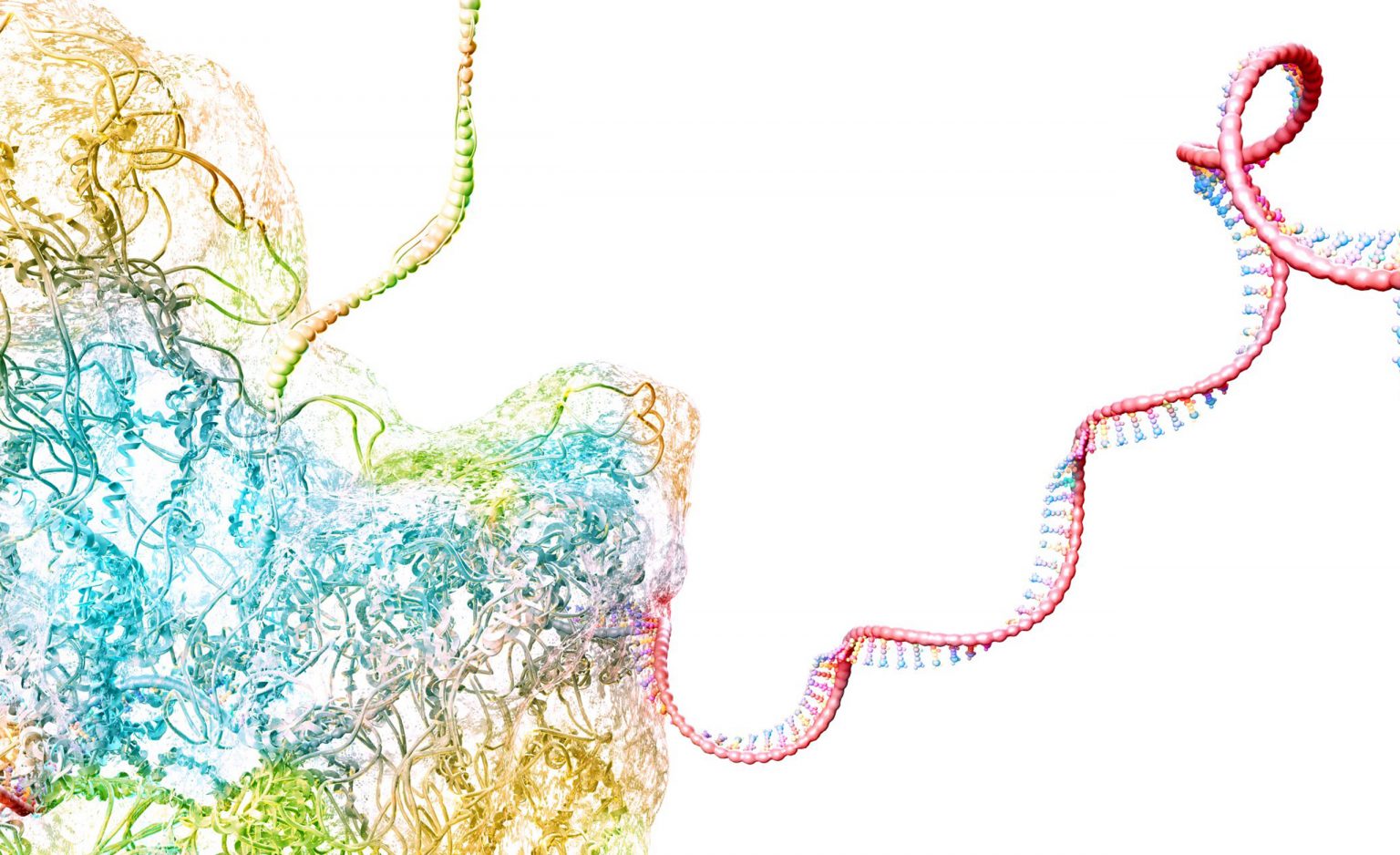
Micropeptide Prediction via Translatomics

Micropeptides are peptides that are generally considered to be less than 150 amino acids in length. The identification of these short peptides has been limited by their size, abundance, and the current standard parameters for defining protein-coding regions. They are noteworthy in that the evolutionary conservation of the ORFs protein coding potential tends to be […]

Neurological Disease Insights Through Translatomics

The dysregulation of translation in the central nervous system (CNS) has been linked to multiple neurodegenerative diseases, making translatomics a particularly important set of tools for learning and understanding more about neurological disease. Among the diseases in which translation has been implicated are amyotrophic lateral sclerosis (ALS) and frontotemporal lobar degeneration (FTLD), both of which […]

Predicting Alternative Proteoforms with Translatomics

Multiple translation initiation sites (TISs) may allow for alternative proteoforms to arise from the translation of just a single mRNA. RNA-Seq is limited in that it cannot be utilized to predict alternative proteoforms, and the standard proteomics approaches alone may prove insufficient. In this regard, Ribosome profiling (Ribo-Seq) could be advantageous when used in conjunction […]

RAN-Translation in Neurological Disease

A range of human neurological disorders occur due to nucleotide repeat expansions which can cause disease by protein gain-of-function, protein loss-of-function, or RNA gain-of-function. The FMR1 (Fragile X Messenger Ribonucleoprotein 1) gene is responsible for making FMRP; a protein found in the brain, ovaries and testes among many other tissues. FMRP is an RNA binding […]