
Insights on Nonsense Suppression Therapy with Translatomics

Nonsense mutations, single nucleotide changes which replaces a codon that encodes for an amino acid with a stop codon resulting in truncated protein products, give rise to approximately 11% of inherited diseases in humans. Nonsense suppression therapeutics may act as viable treatments for such diseases by allowing ribosomes to read through premature termination codons and […]

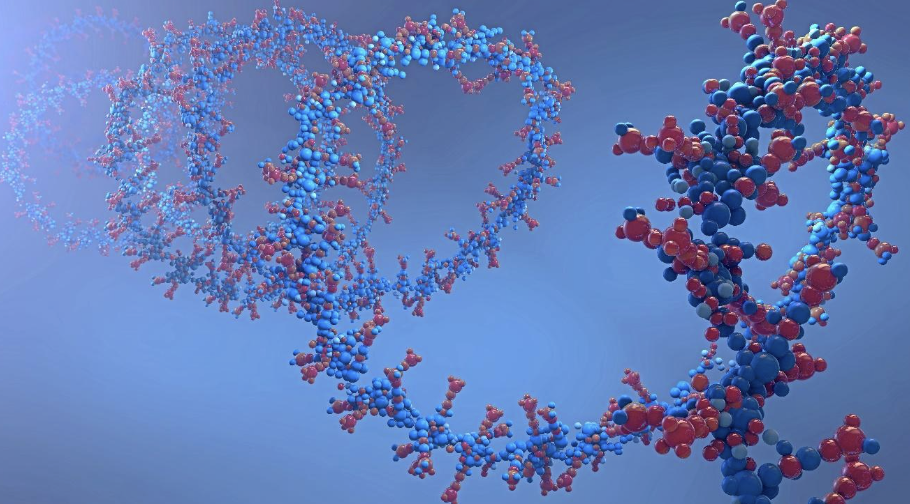
Targeting Translation with Small Molecules

In the present day, the vast majority of pharmaceutical therapeutics target specific proteins or enzymatic reactions. However, due to conformational challenges, in addition to other issues, a wide number of such proteins remain “undruggable” with current technologies. One solution put forward to address these issues has been to target these proteins before they undergo translation, […]

Detecting uORFs with Translatomics

Upstream open reading frames (uORFs) are sequences with start and stop codons found upstream of the main protein coding region in an area known as the 5’ untranslated region (UTR). uORFs can vary by number per transcript, by length and by their position in relation to the 5’ cap and main start codon. uORFs act […]

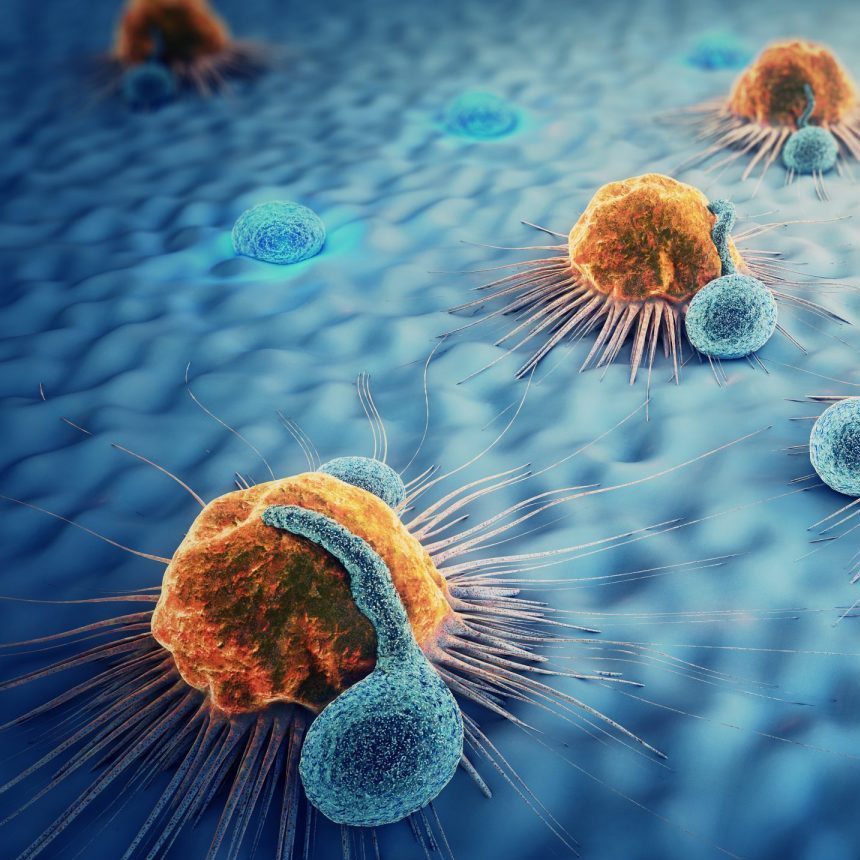
Unraveling Cancer Aetiology with Translatomics

Translation is a key process in a wide range of cancers, being significantly altered to drive its initiation and progression. Practically all oncogenic signalling pathways (including RAS–MAPK, PI3K–AKT–mTOR, MYC and WNT–ß-catenin) are implicated in translational reprogramming and many oncogenes (including KRAS, PTEN, APC, and EGFR) also regulate signalling pathways targeting translation.  It is a process […]

Complete Differential Gene Expression via Translatomics

Identifying what proteins are being expressed at a cellular level in response to a drug or as a consequence (or cause) of a pathological state is fundamental to our understanding of disease phenotypes and a logical starting point for the design of therapeutics for targeting them. However, researchers have often limited their analysis to the […]